Maschinen Tractate

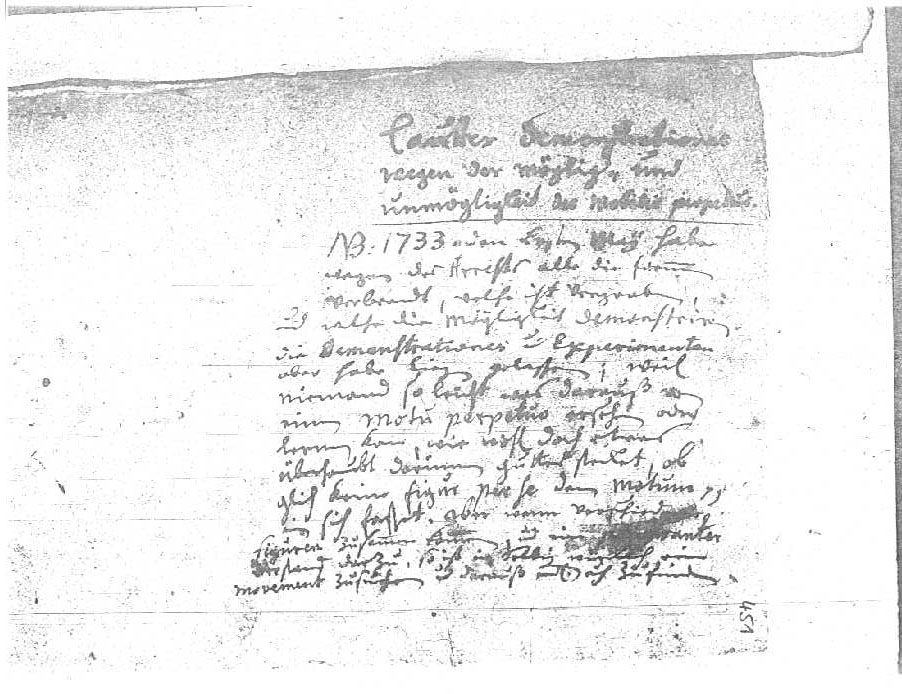
"Further demonstrations regarding the possibility and impossibility of perpetual motion.

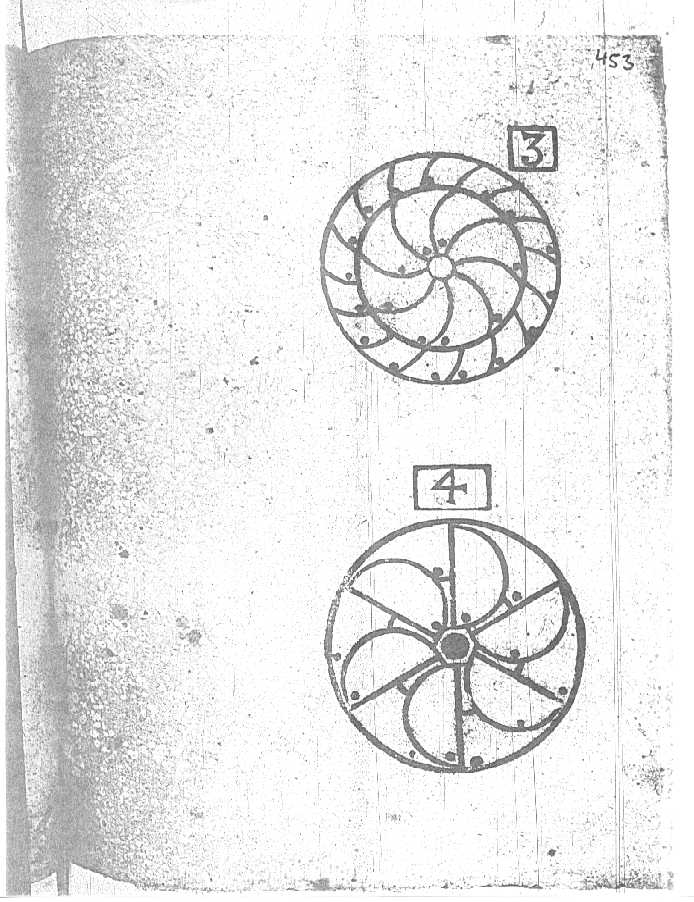
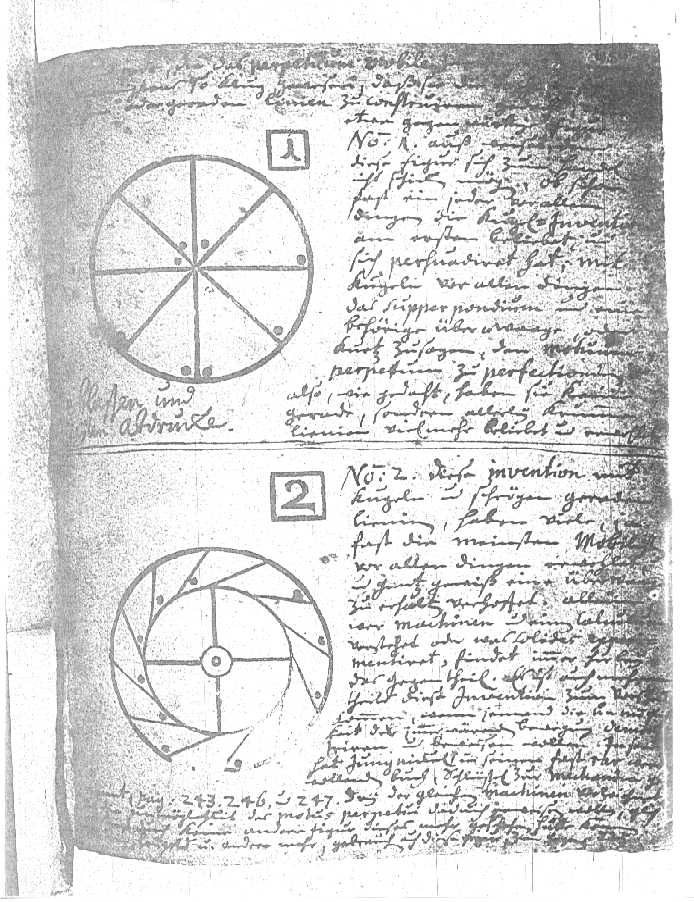
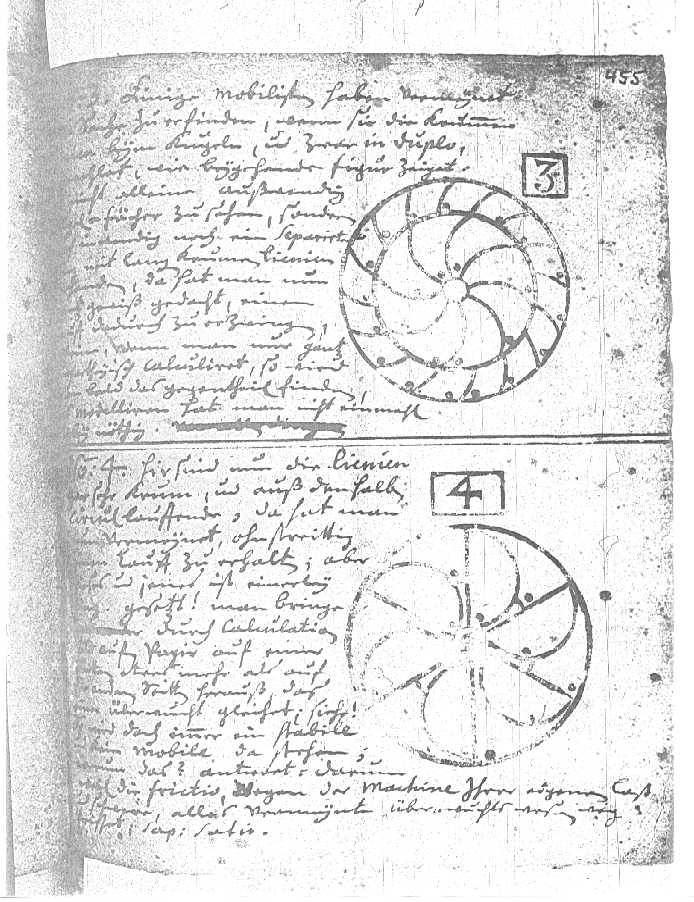
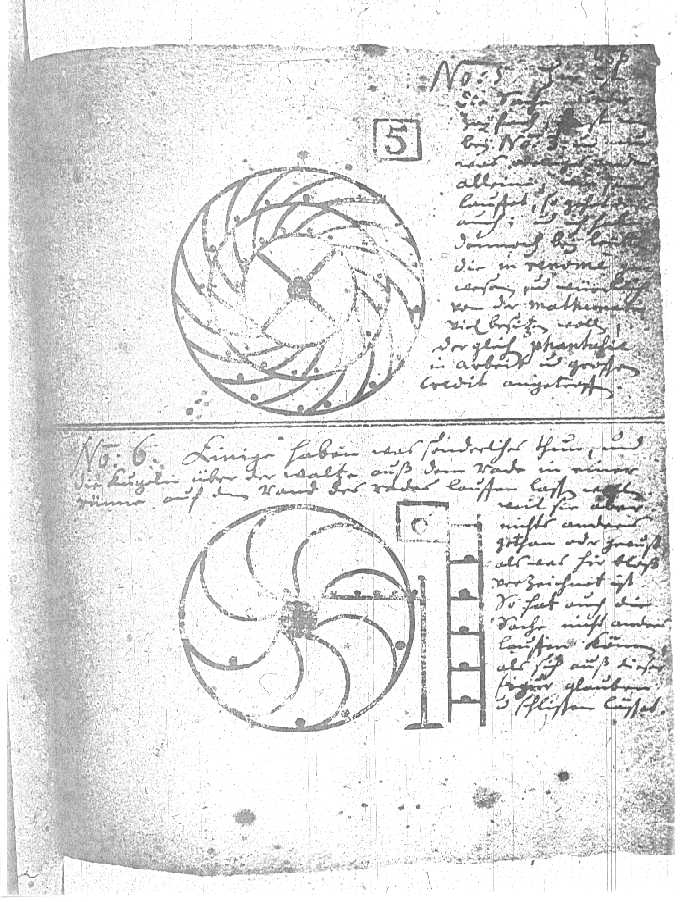
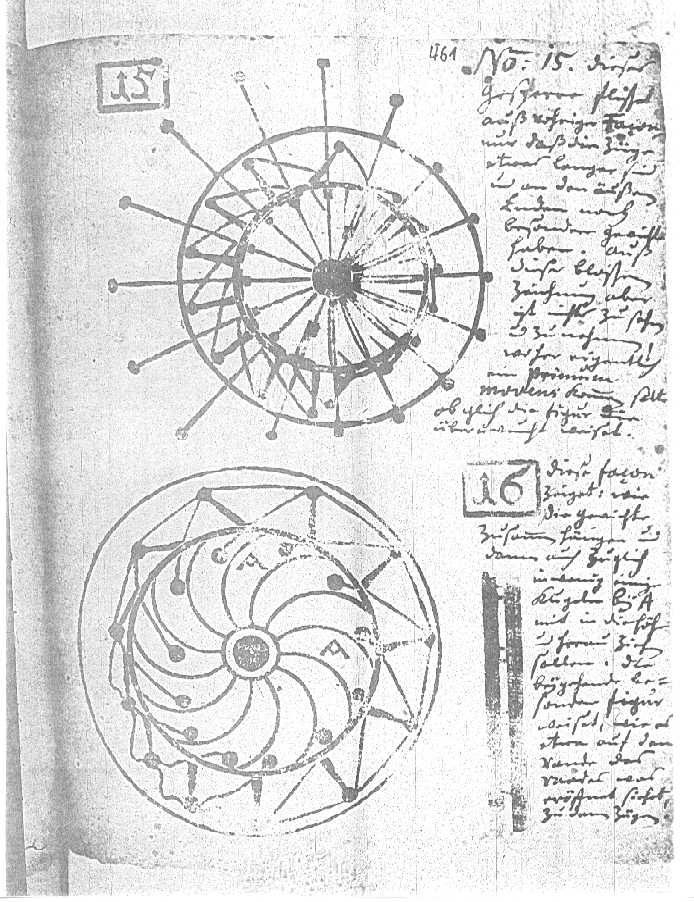
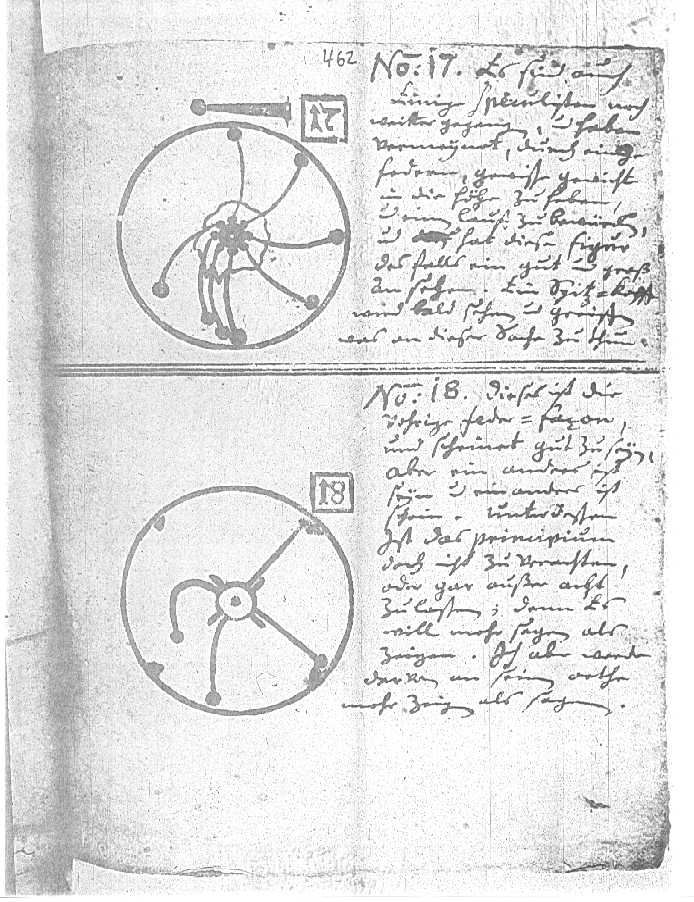
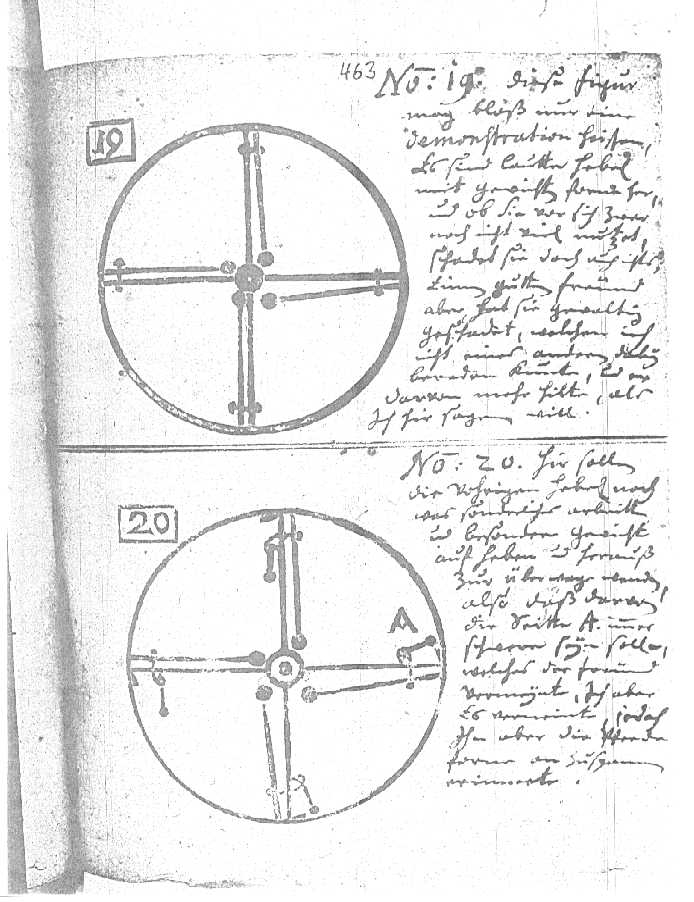
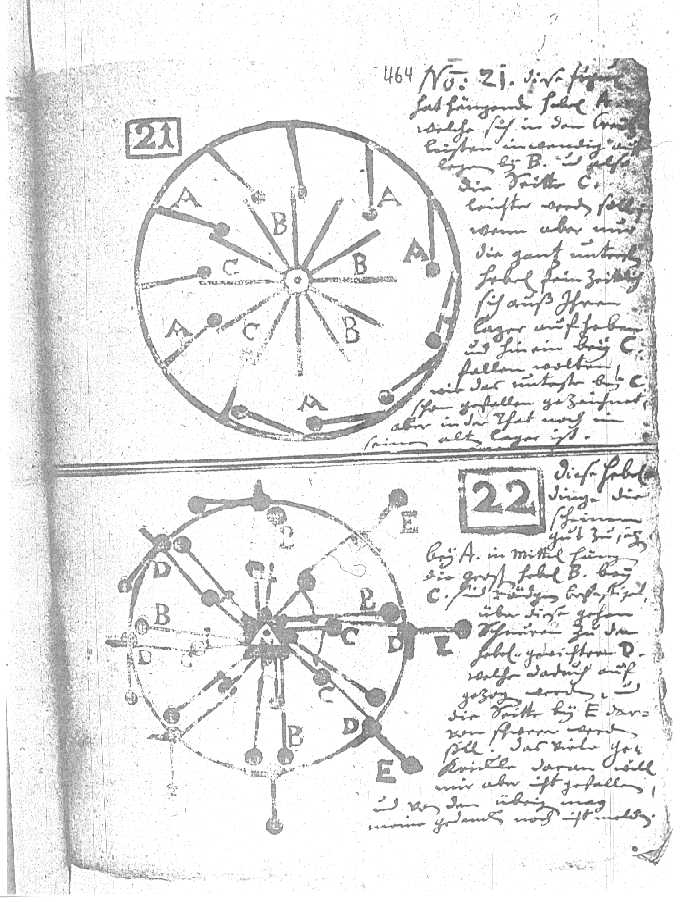
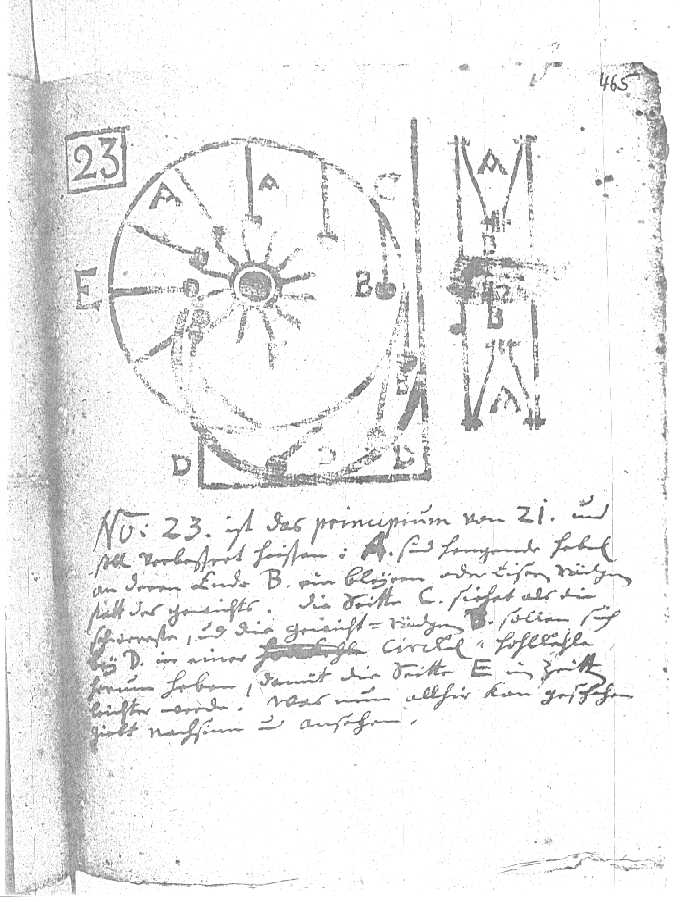
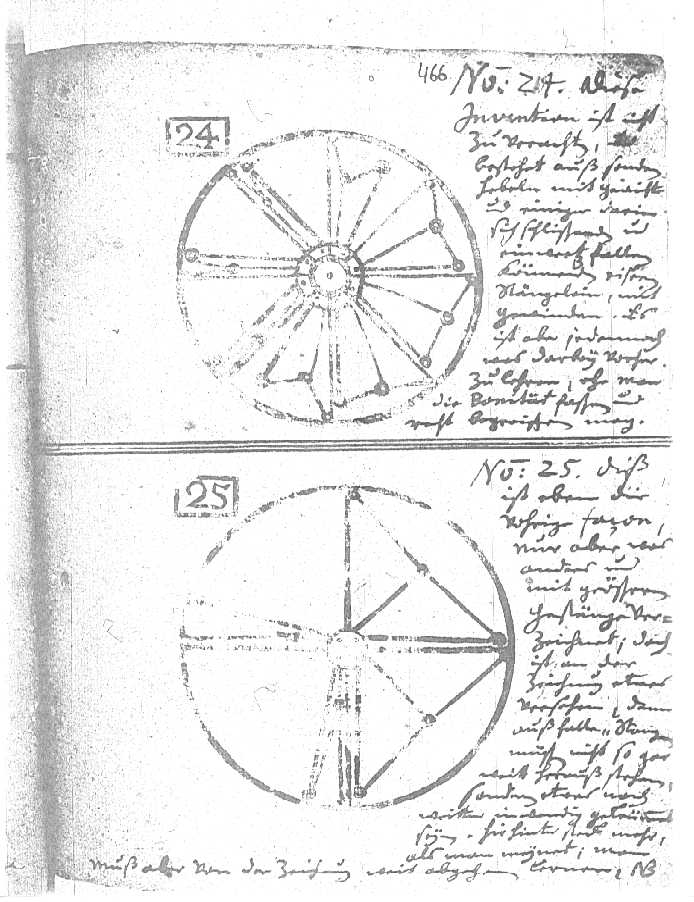
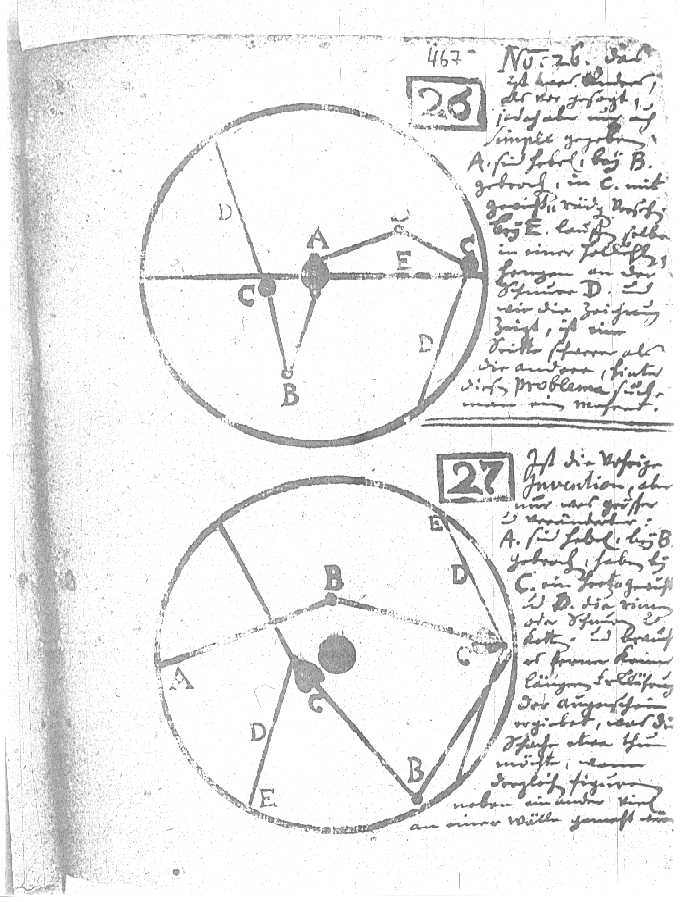
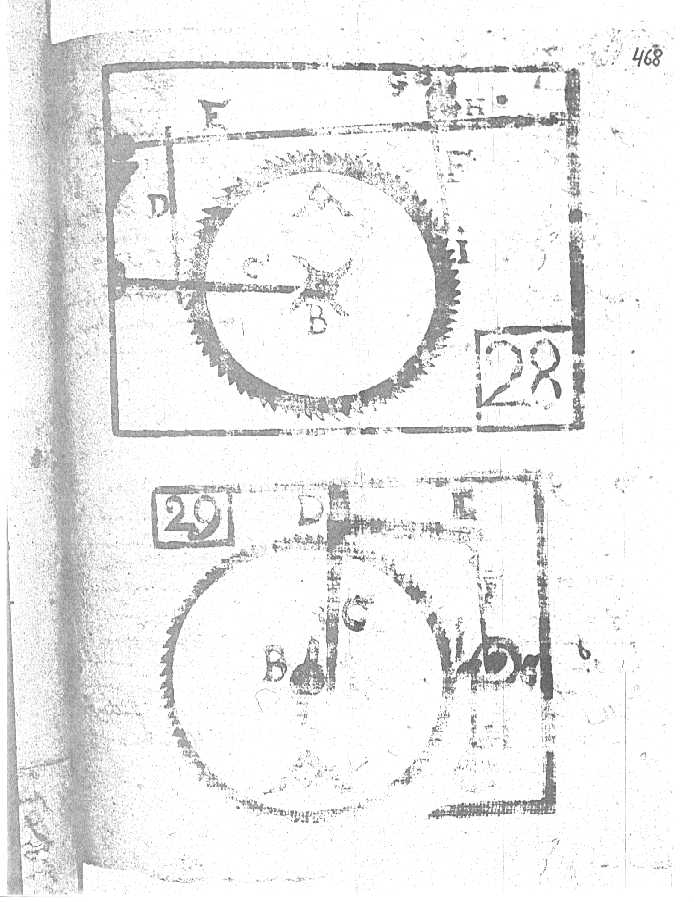
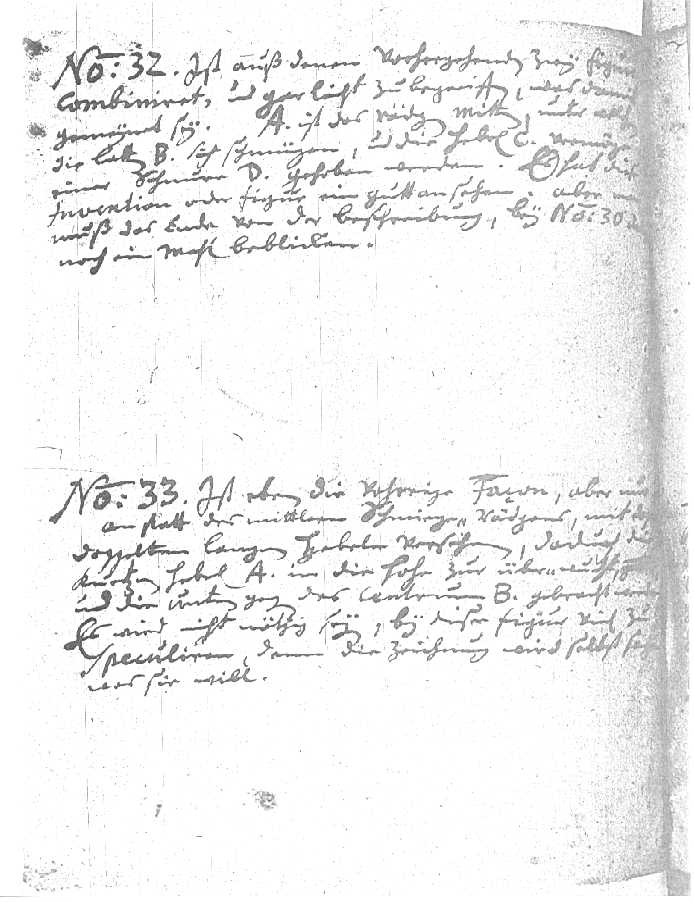
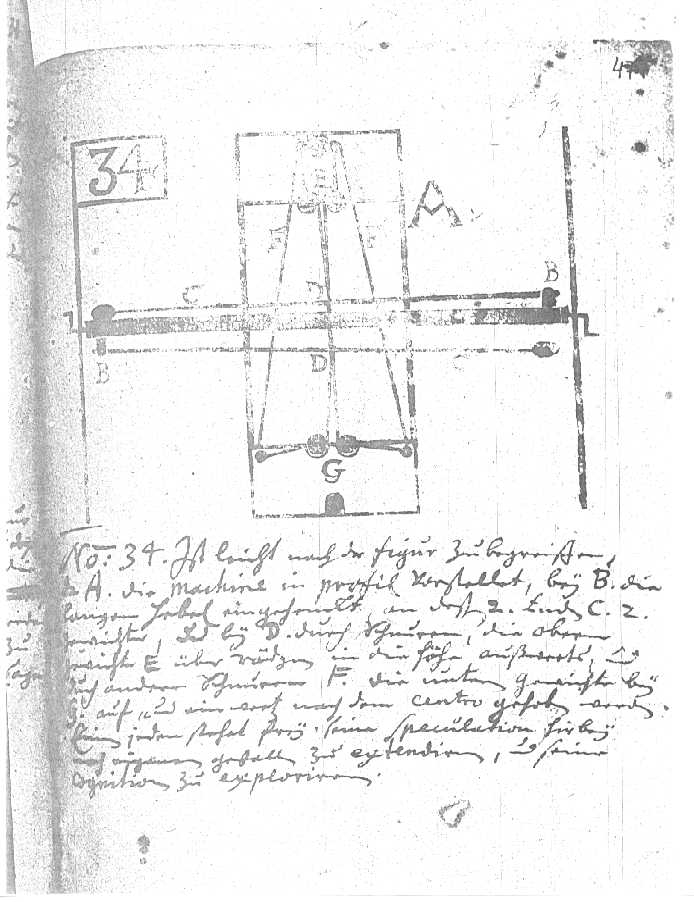
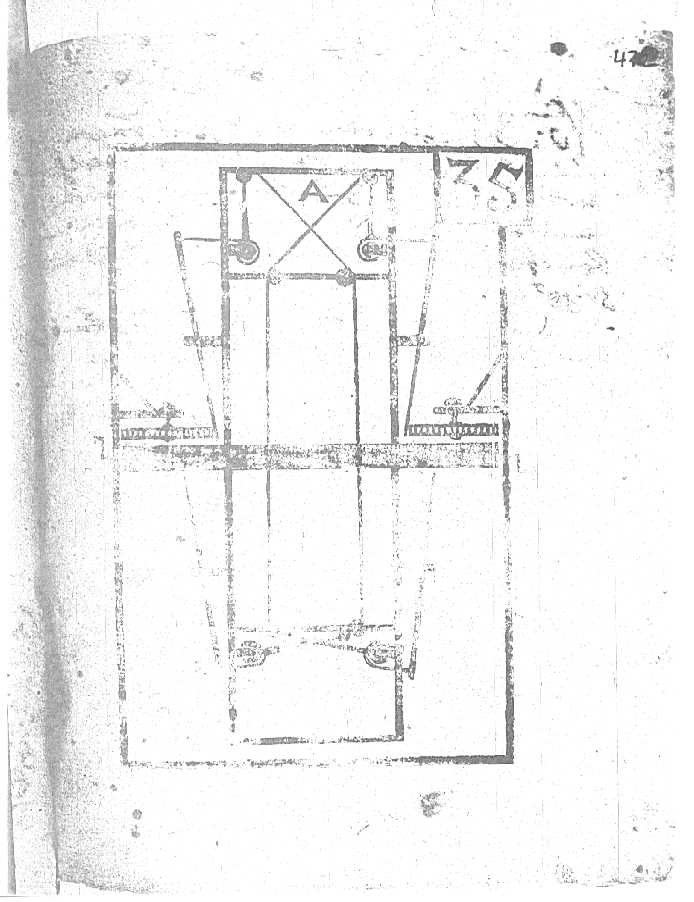
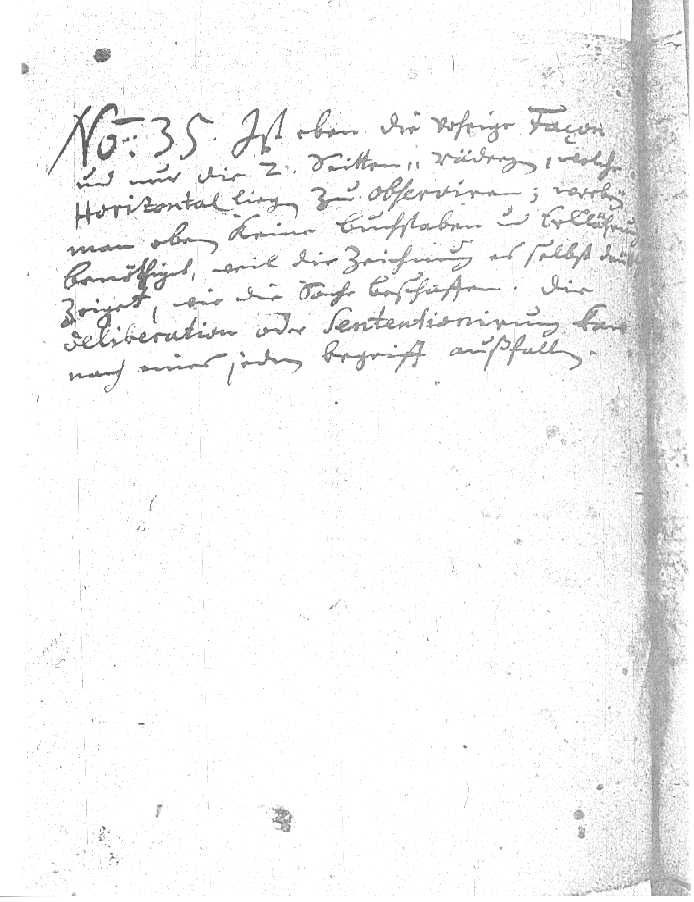
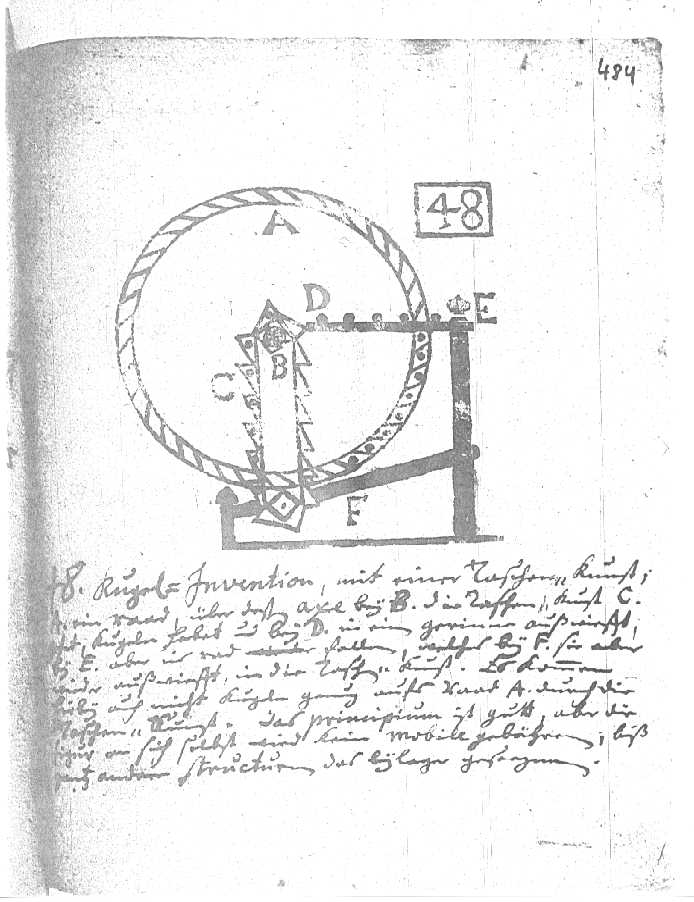
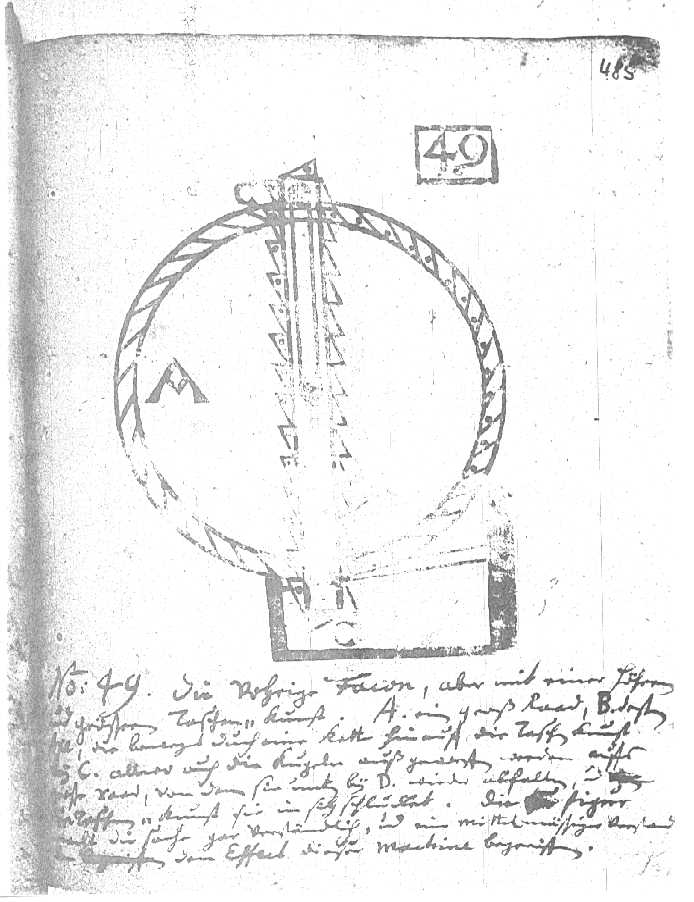
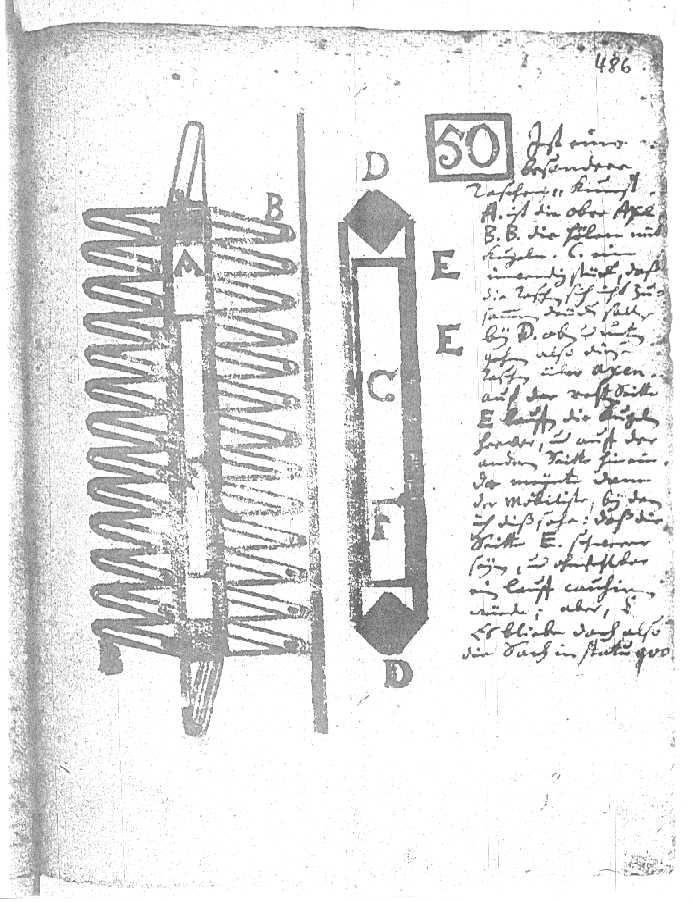
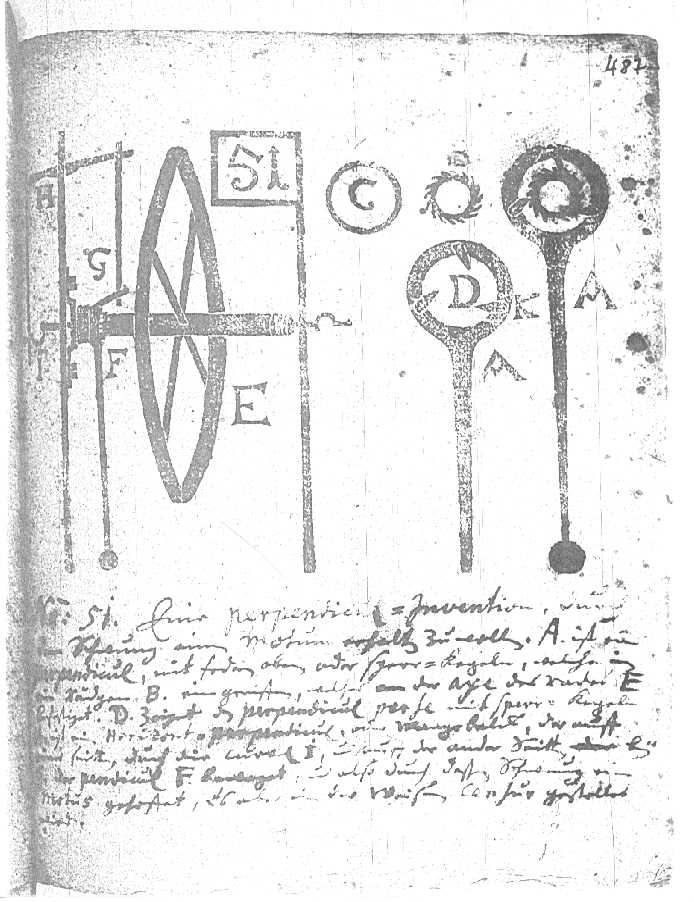
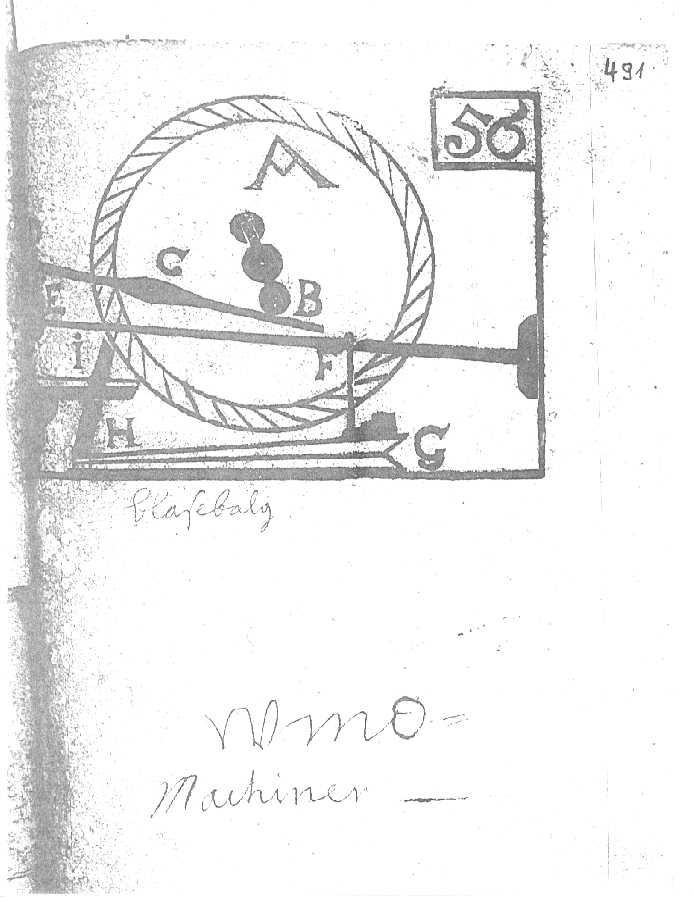
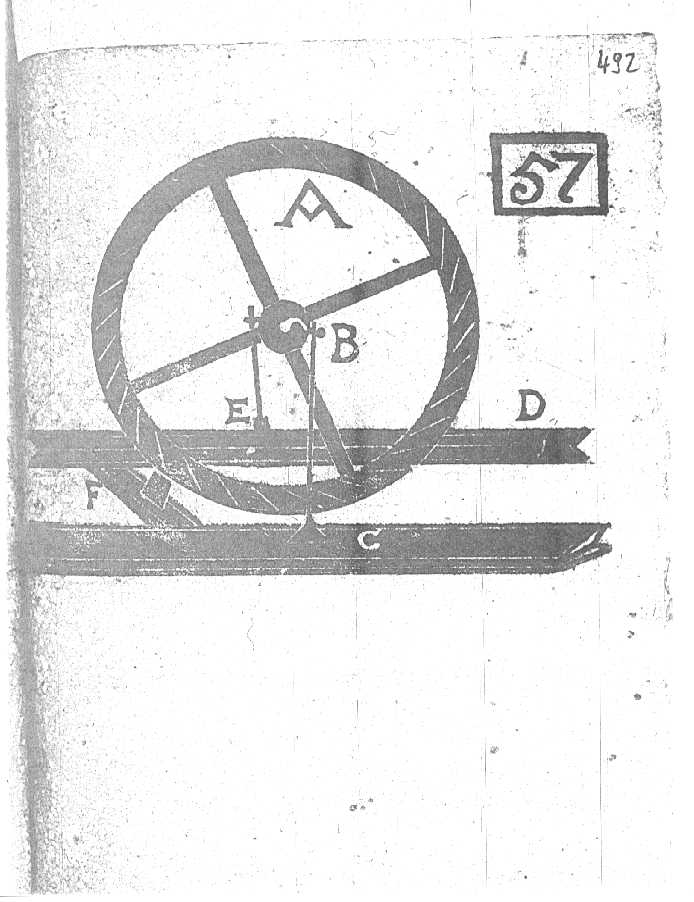
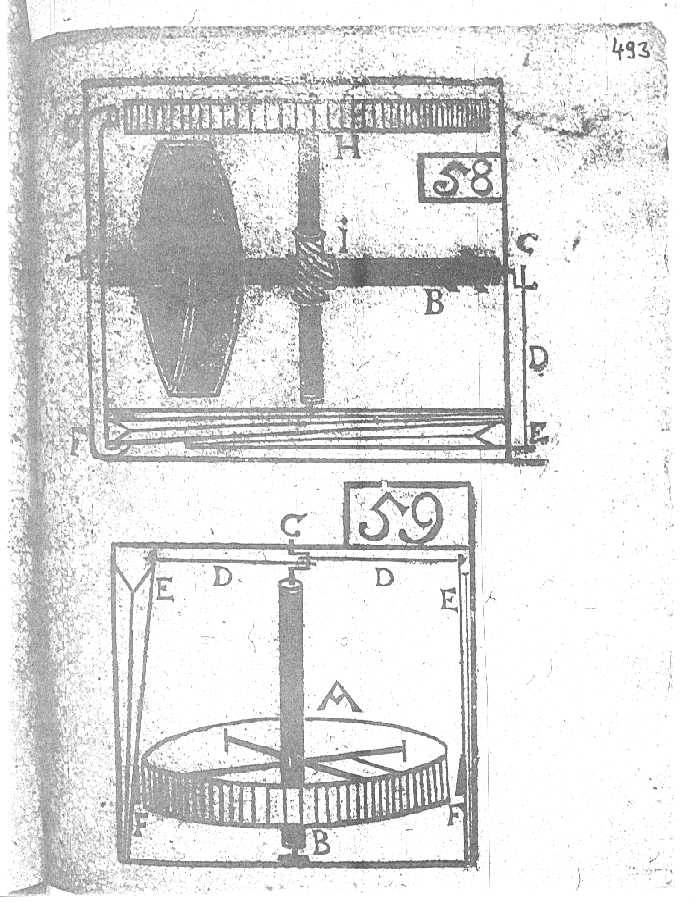
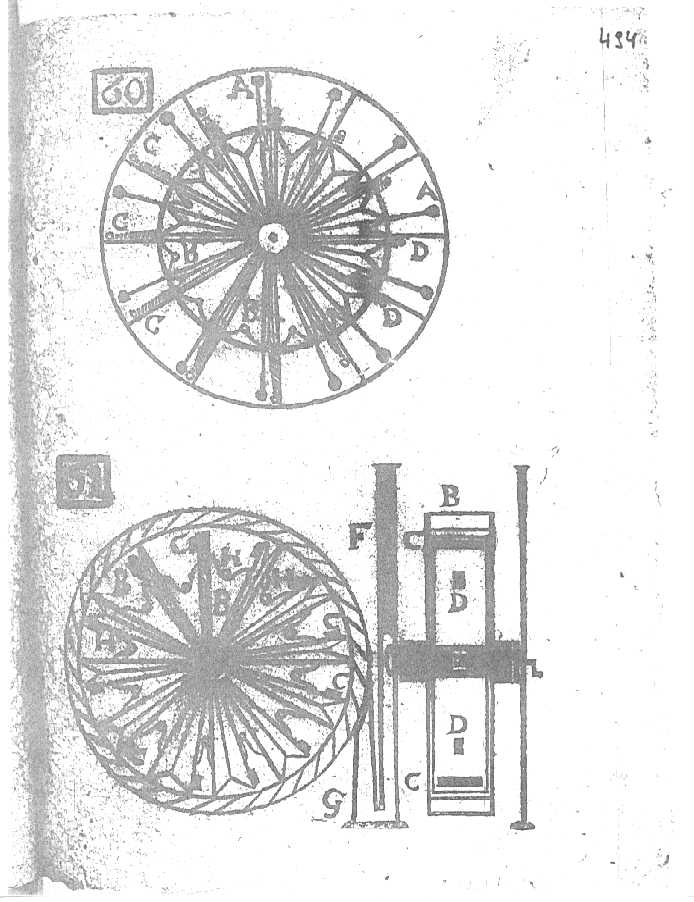
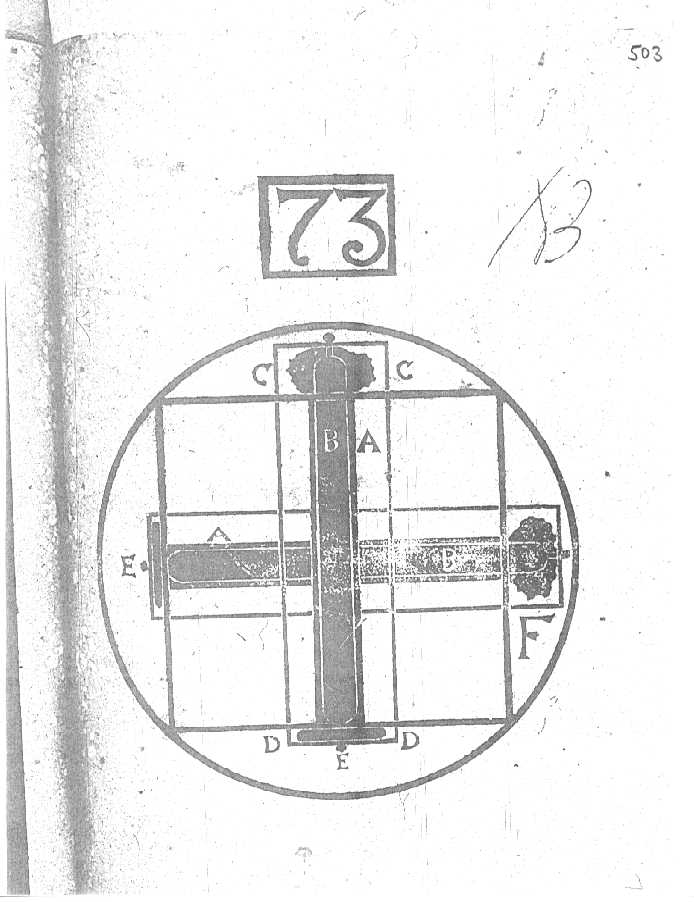
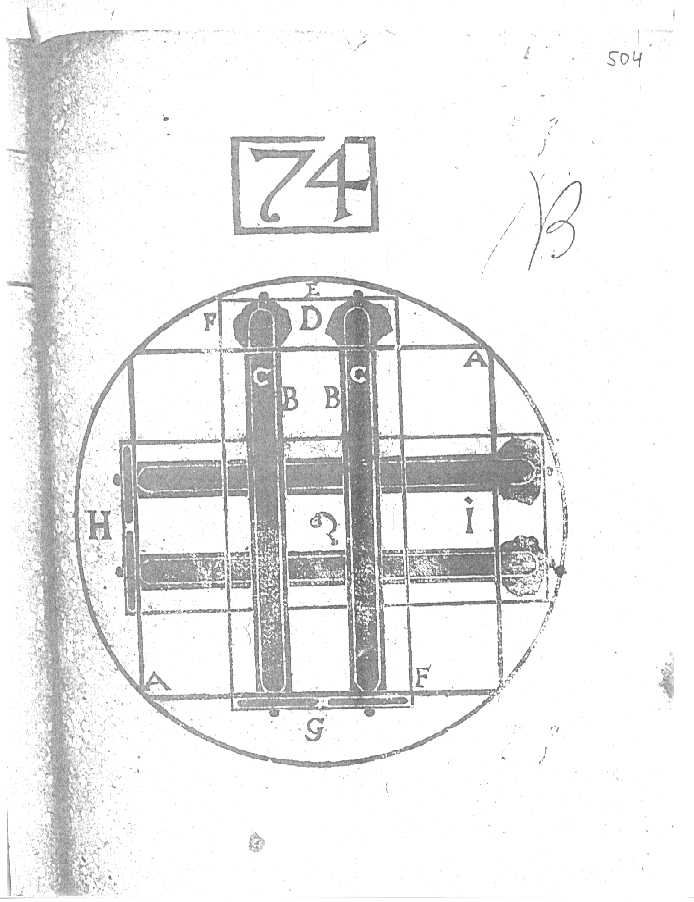
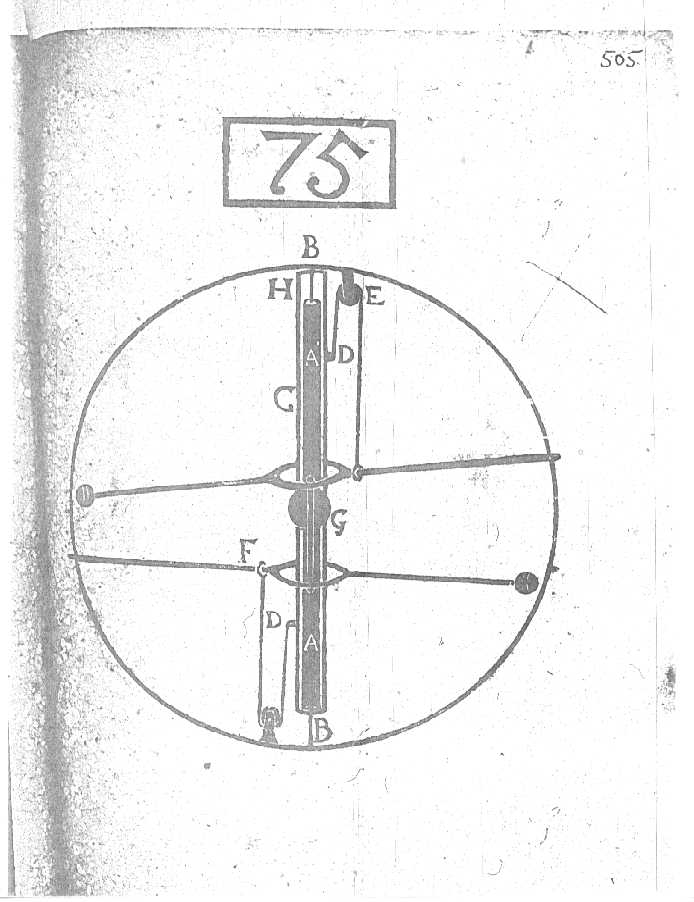
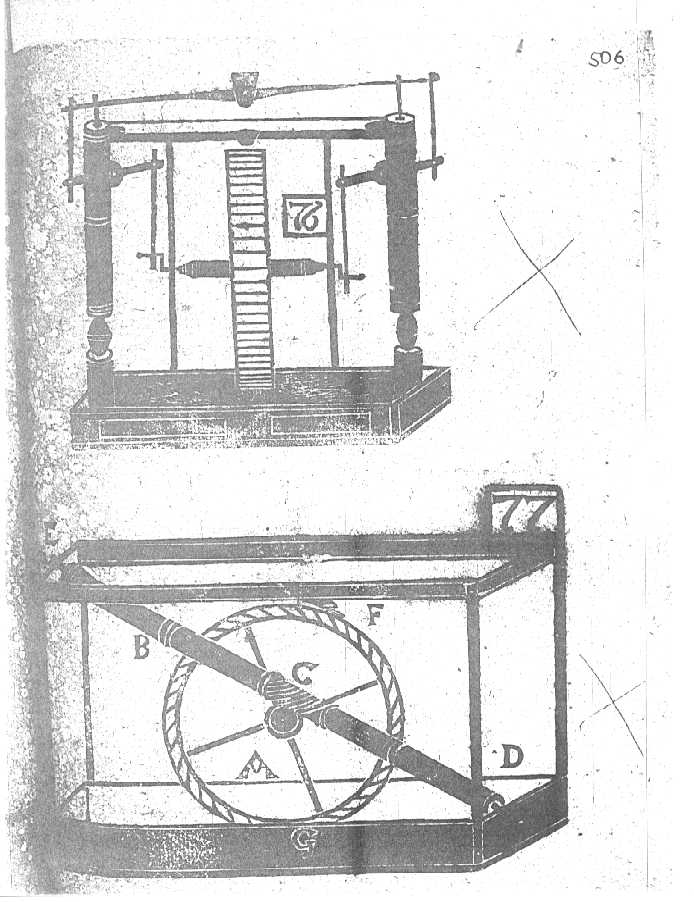
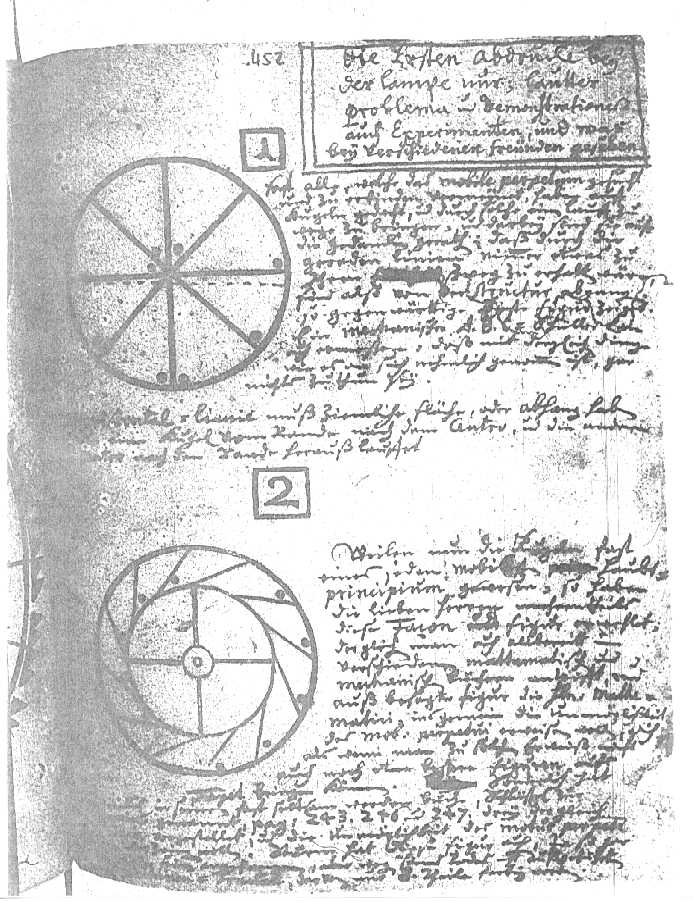
NB. May 1, 1733. Due to the arrest, I burned and buried all papers that prove the possibility. However, I have left all demonstrations and experiments, since it would be difficult for anybody to see or learn anything about a perpetual motion from them or to decide whether there was any truth in them because no illustration by itself contains a description of the motion; however, taking various illustrations together and combining them with a discerning mind, it will indeed be possible to look for a movement and, finally to find one in them."

- Johann Bessler, first page of Maschinen Tractate


mt_000.jpg
 

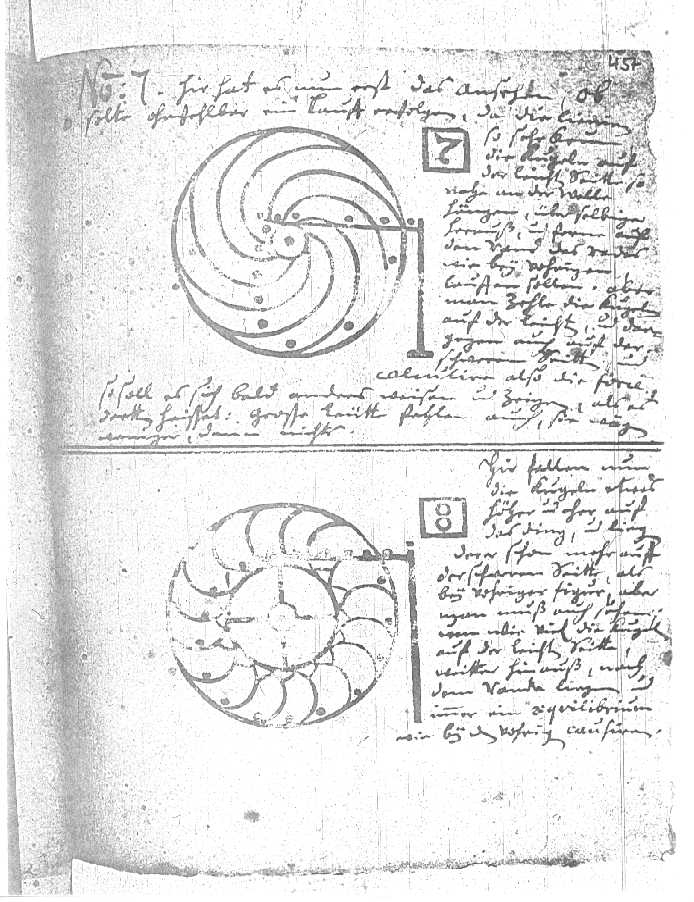
mt_001a_002a.jpg
 

mt_003a_004a.jpg
 

mt_001b_002b.jpg
 

mt_003b_004b.jpg
 

mt_005_006.jpg
 

mt_007_008.jpg
 

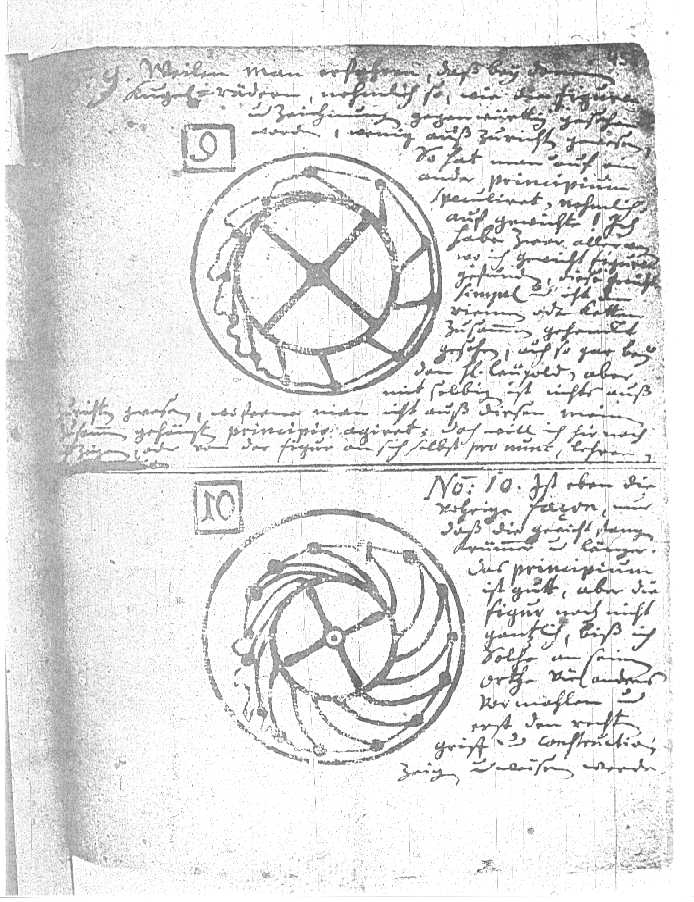
mt_009_010.jpg
 

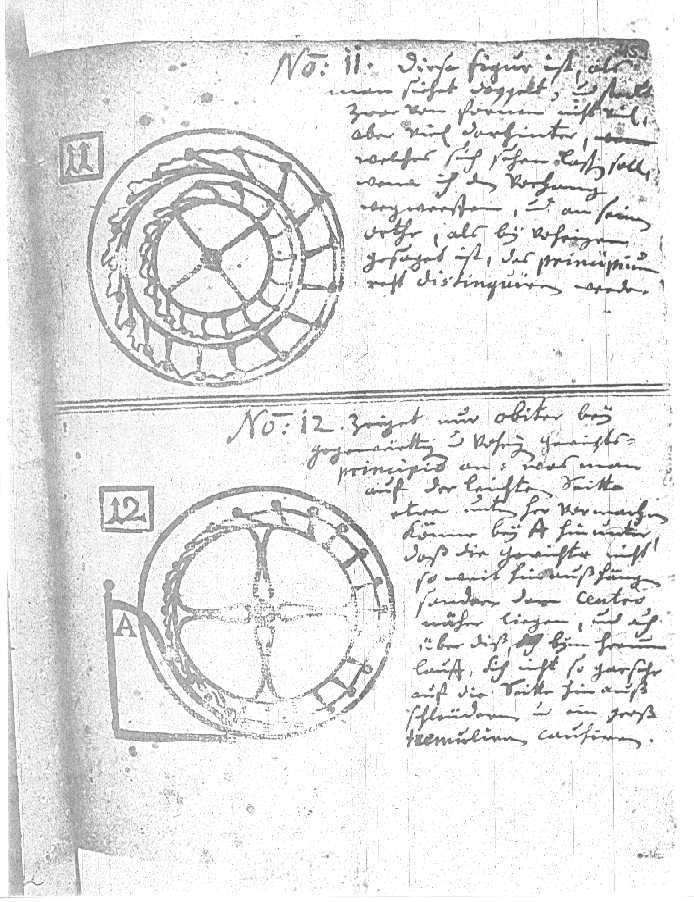
mt_011_012.jpg
 

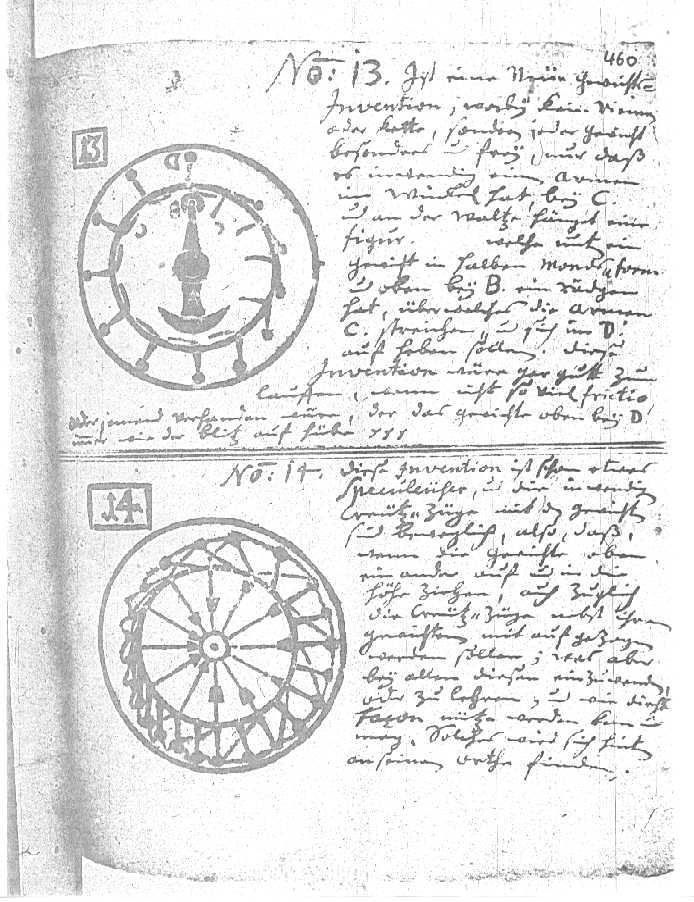
mt_013_014.jpg
 

mt_015_016.jpg
 

mt_017_018.jpg
 

mt_019_020.jpg
 

mt_021_022.jpg
 

mt_023.jpg
 

mt_024_025.jpg
 

mt_026_027.jpg
 

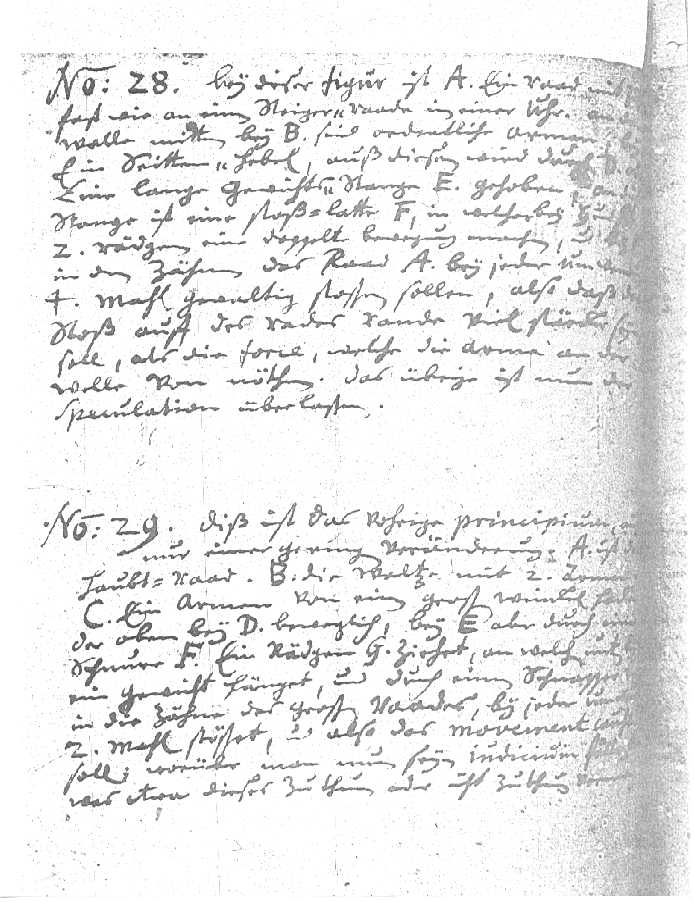
mt_028a_029a.jpg
 

mt_028b_029b.jpg
 

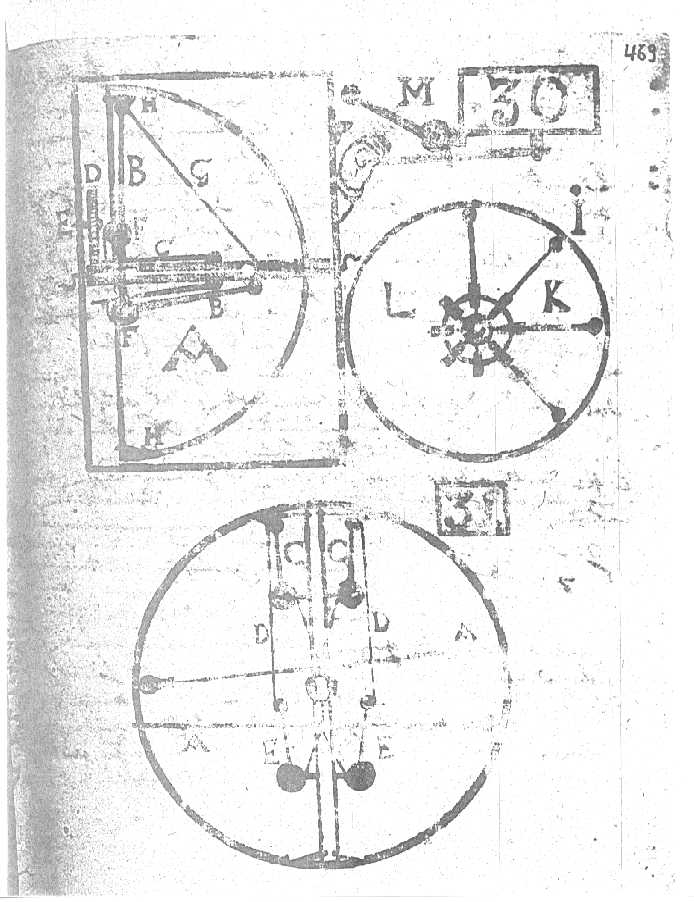
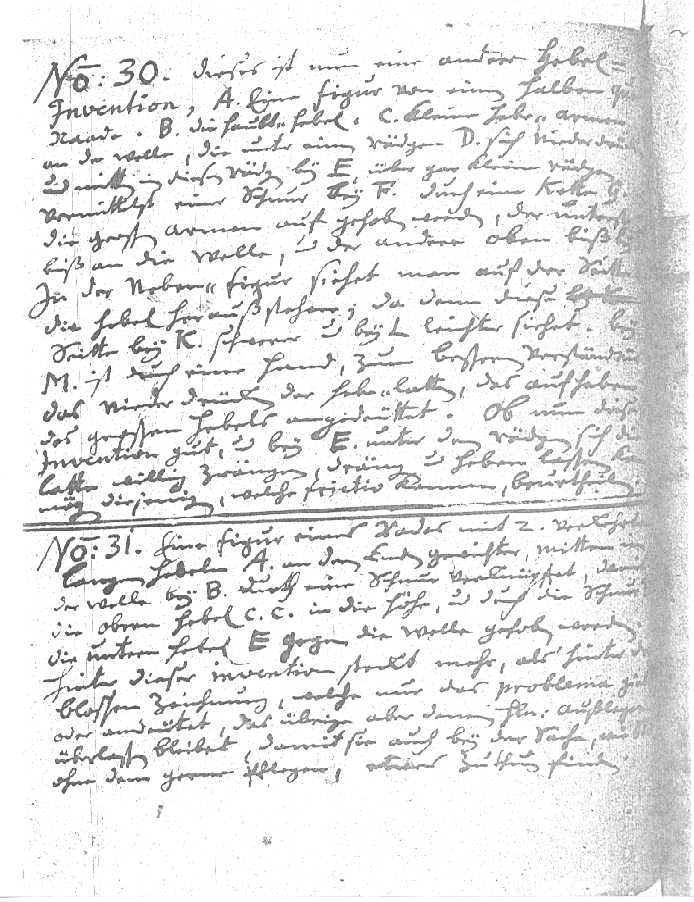
mt_030a_031a.jpg
 

mt_030b_031b.jpg
 

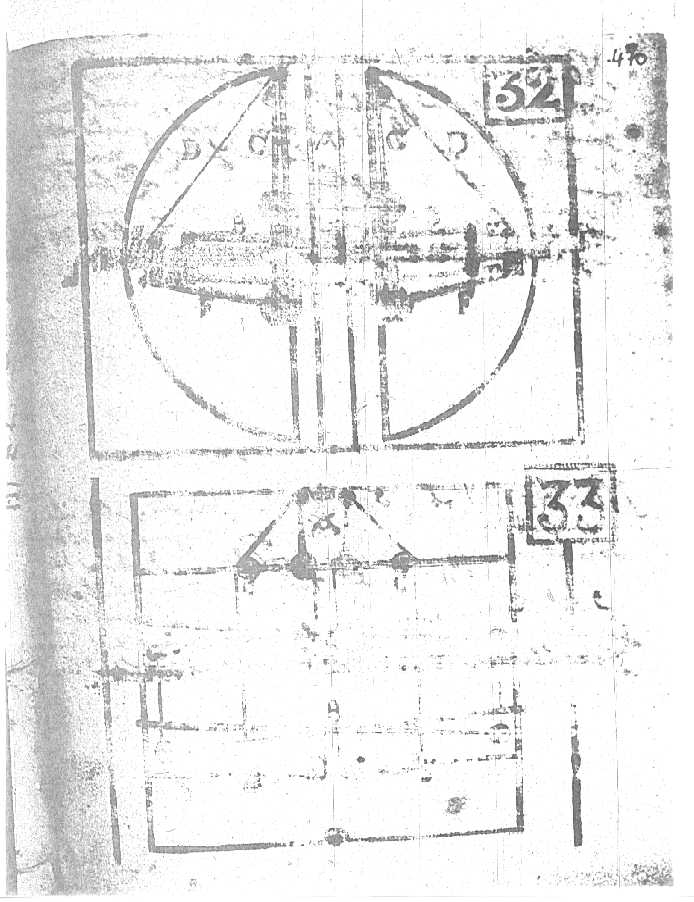
mt_032a_033a.jpg
 

mt_032b_033b.jpg
 

mt_034.jpg
 

mt_035a.jpg
 

mt_035b.jpg
 

mt_036a_037a.jpg
 

mt_036b_037b.jpg
 

mt_038.jpg
 

mt_039.jpg
 

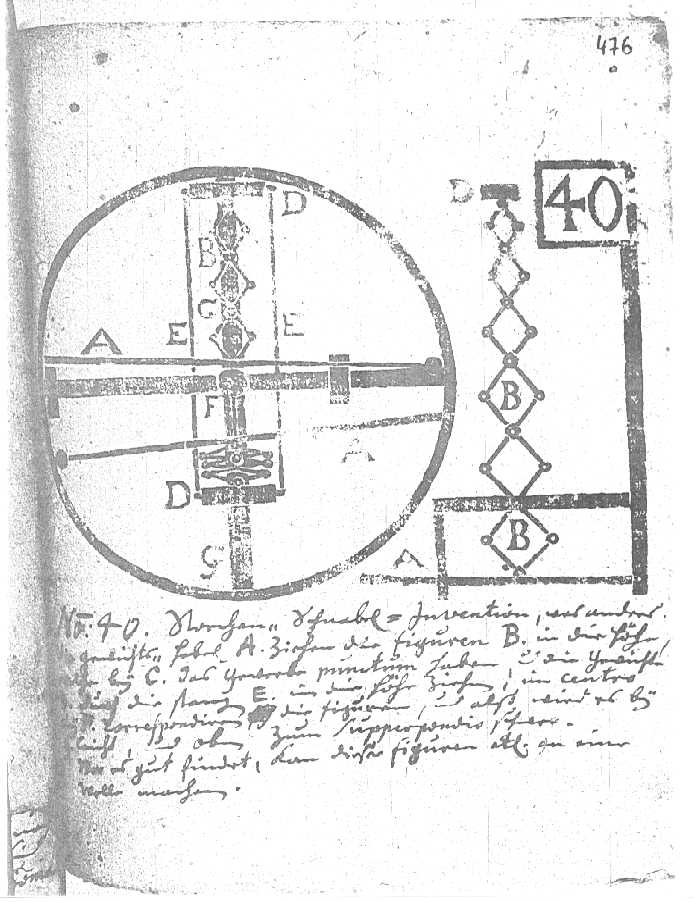
mt_040.jpg
 

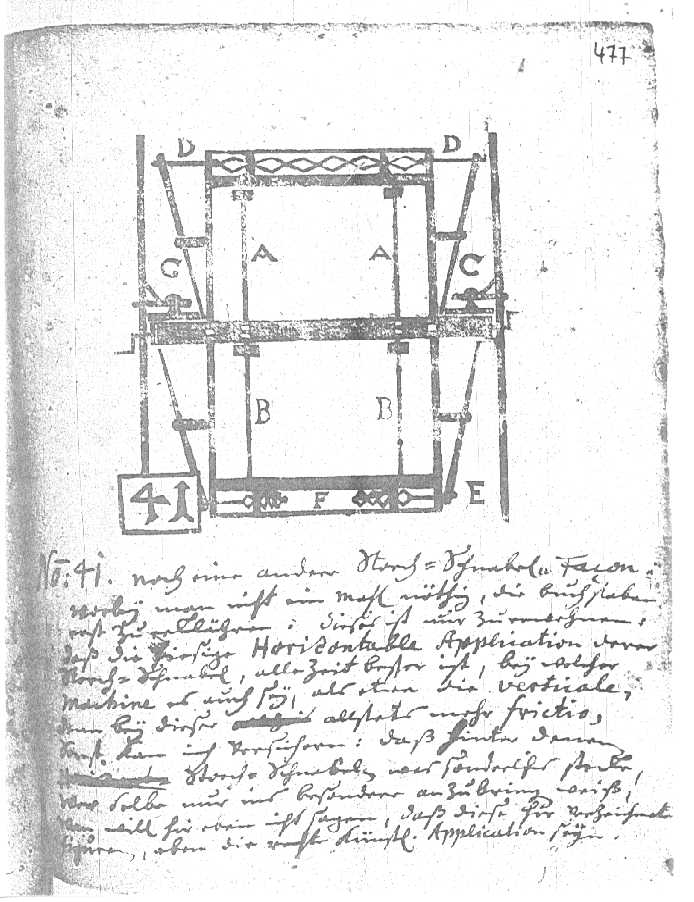
mt_041.jpg
 

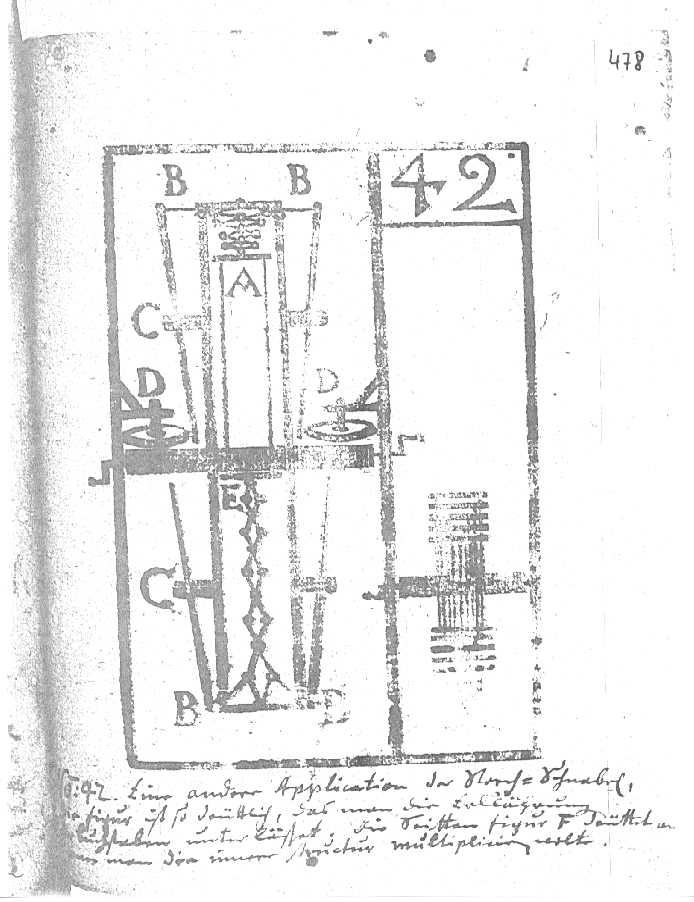
mt_042.jpg
 

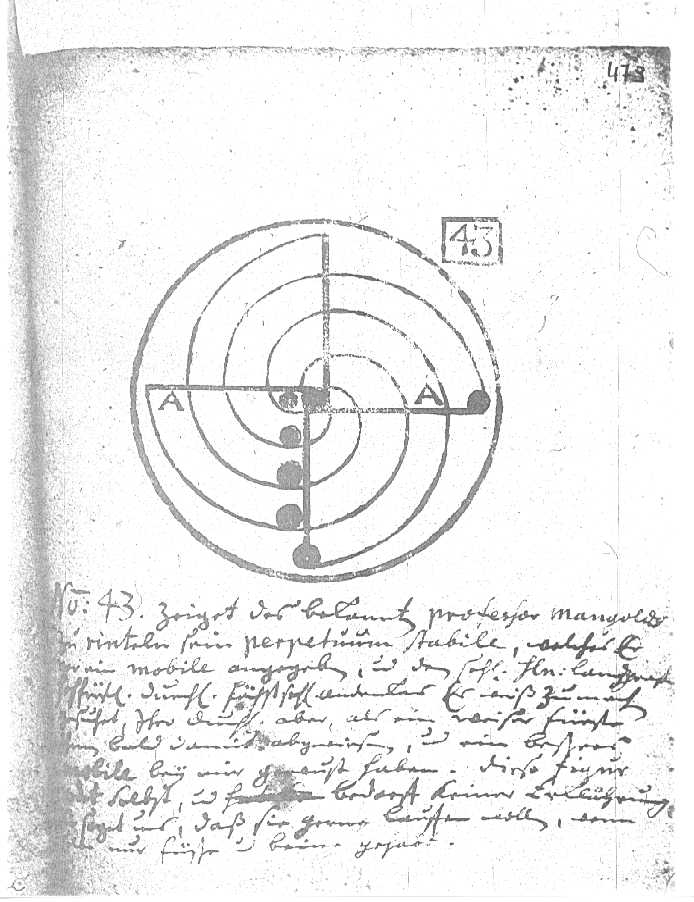
mt_043.jpg
 

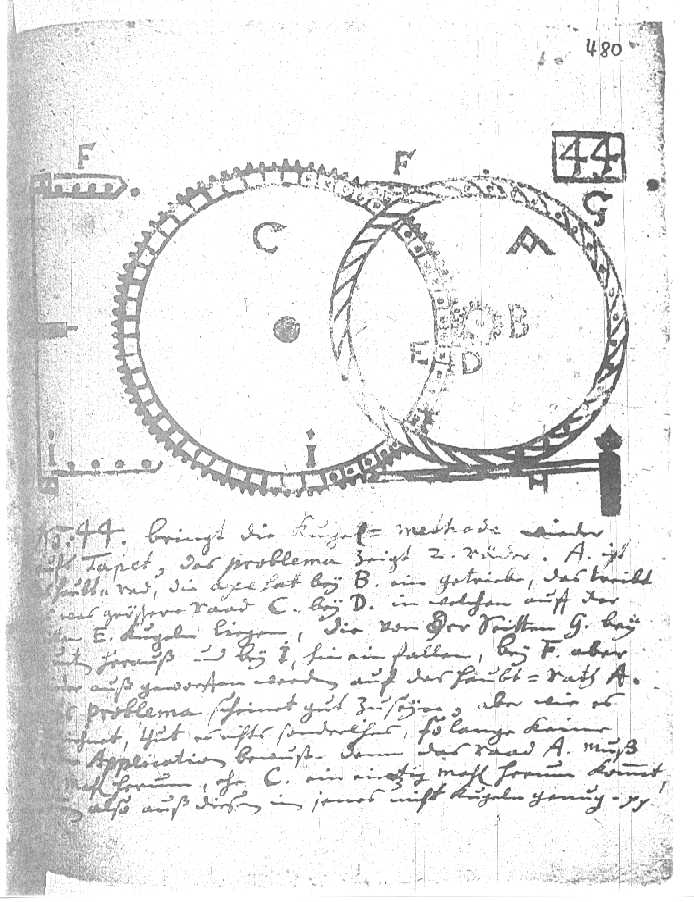
mt_044.jpg
 

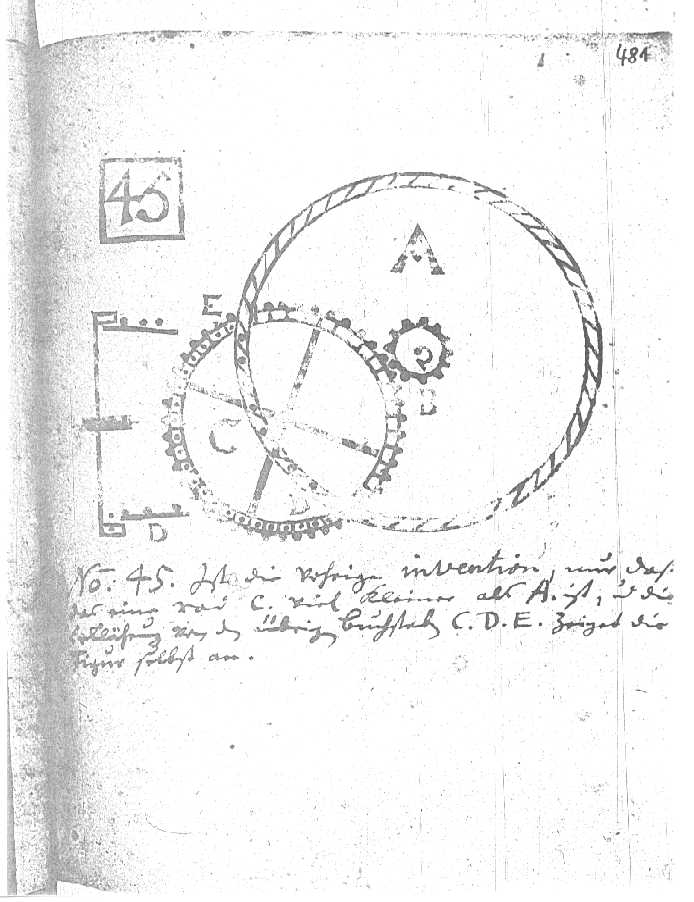
mt_045.jpg
 

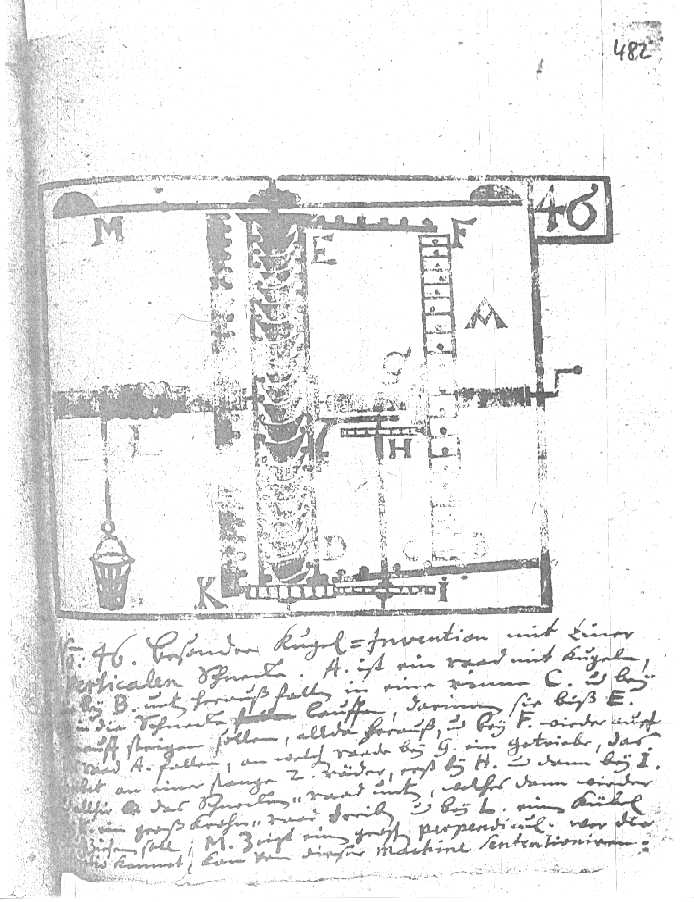
mt_046.jpg
 

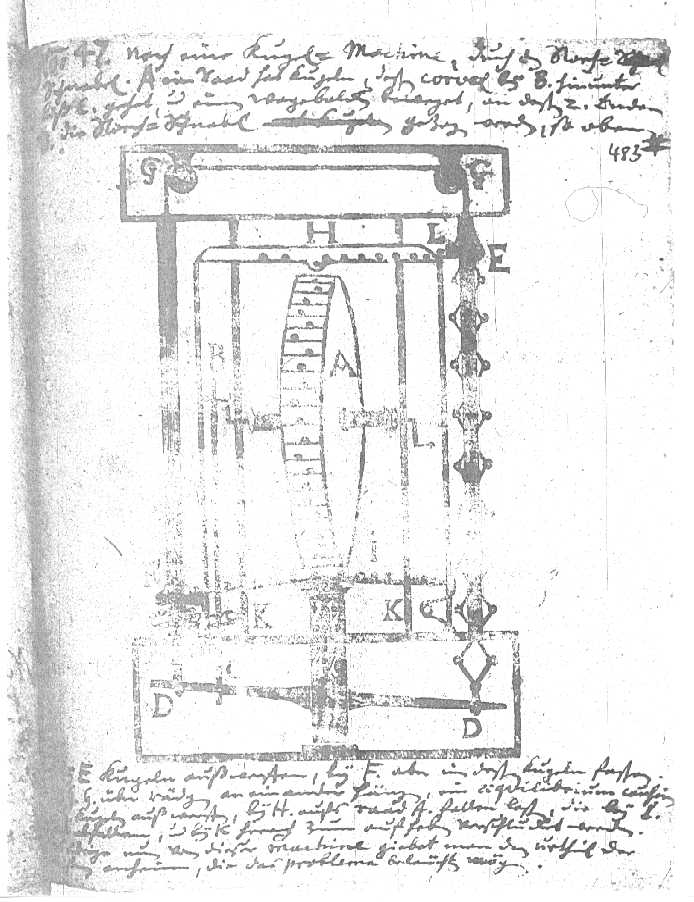
mt_047.jpg
 

mt_048.jpg
 

mt_049.jpg
 

mt_050.jpg
 

mt_051.jpg
 

mt_052.jpg
 

mt_053a_054a.jpg
 

mt_053b_054b.jpg
 

mt_055.jpg
 

mt_056.jpg
 

mt_057.jpg
 

mt_058_059.jpg
 

mt_060_061.jpg
 

mt_062.jpg
 

mt_063_064_065.jpg
 

mt_066.jpg
 

mt_067.jpg
 

mt_068.jpg
 

mt_069.jpg
 

mt_070_071.jpg
 

mt_072.jpg
 

mt_073.jpg
 

mt_074.jpg
 

mt_075.jpg
 

mt_076_077.jpg
 

mt_078.jpg
 

mt_079.jpg
 

mt_080.jpg
 

mt_081.jpg
 

mt_082.jpg
 

mt_083.jpg
 

mt_084.jpg
 

mt_085.jpg
 

mt_086.jpg
 

mt_087.jpg
 

mt_088.jpg
 

mt_089.jpg
 

mt_090.jpg
 

mt_091.jpg
 

mt_092.jpg
 

mt_093.jpg
 

mt_094.jpg
 

mt_095.jpg
 

mt_096.jpg
 

mt_097.jpg
 

mt_098.jpg
 

mt_099.jpg
 

mt_100.jpg
 

mt_101.jpg
 

mt_102.jpg
 

mt_103.jpg
 

mt_104.jpg
 

mt_105.jpg
 

mt_106.jpg
 

mt_107.jpg
 

mt_108.jpg
 

mt_109.jpg
 

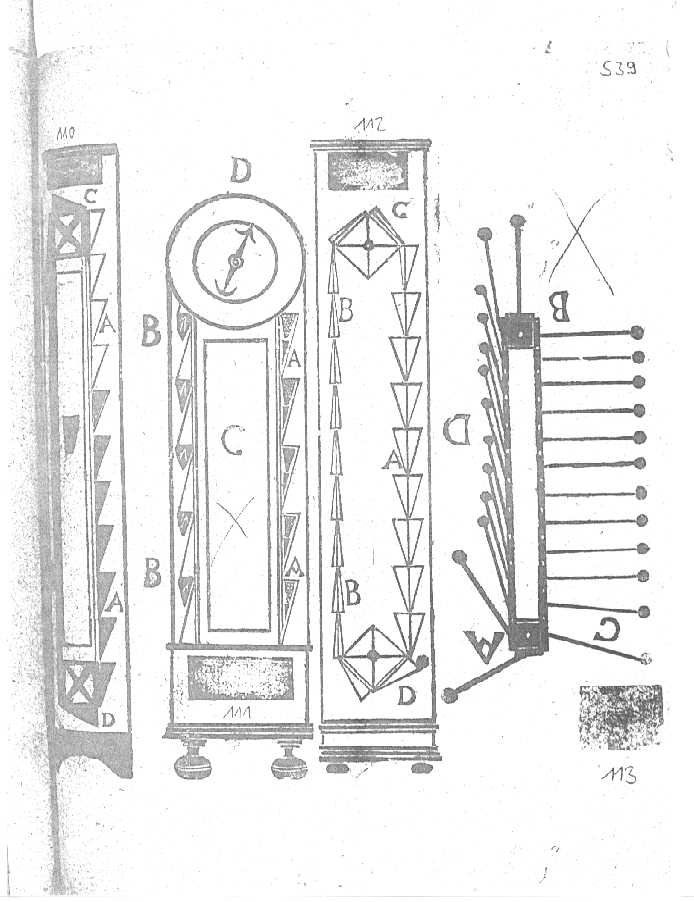
mt_110_111_112_113.jpg
 

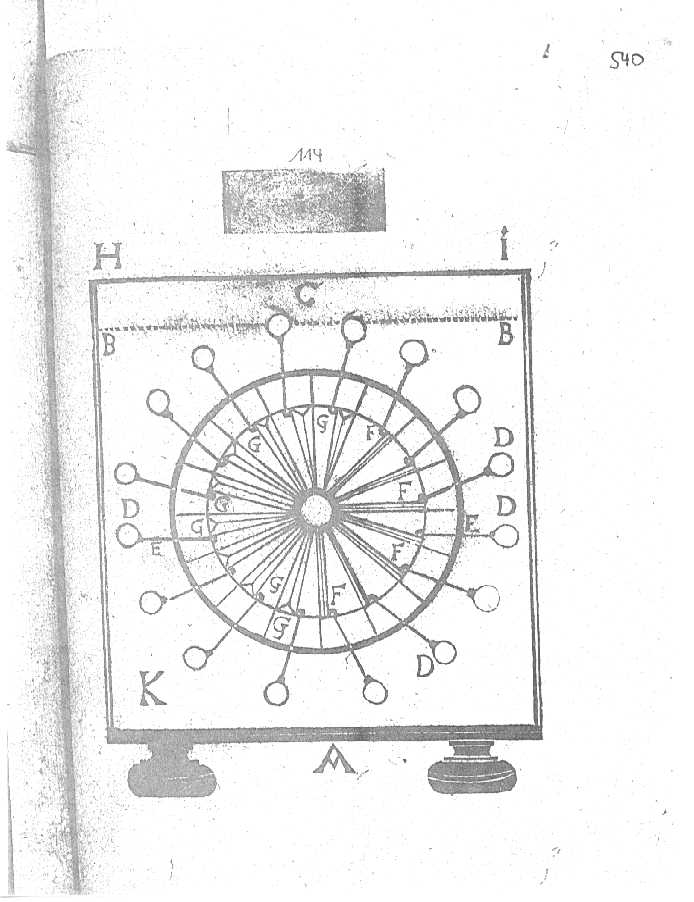
mt_114.jpg
 

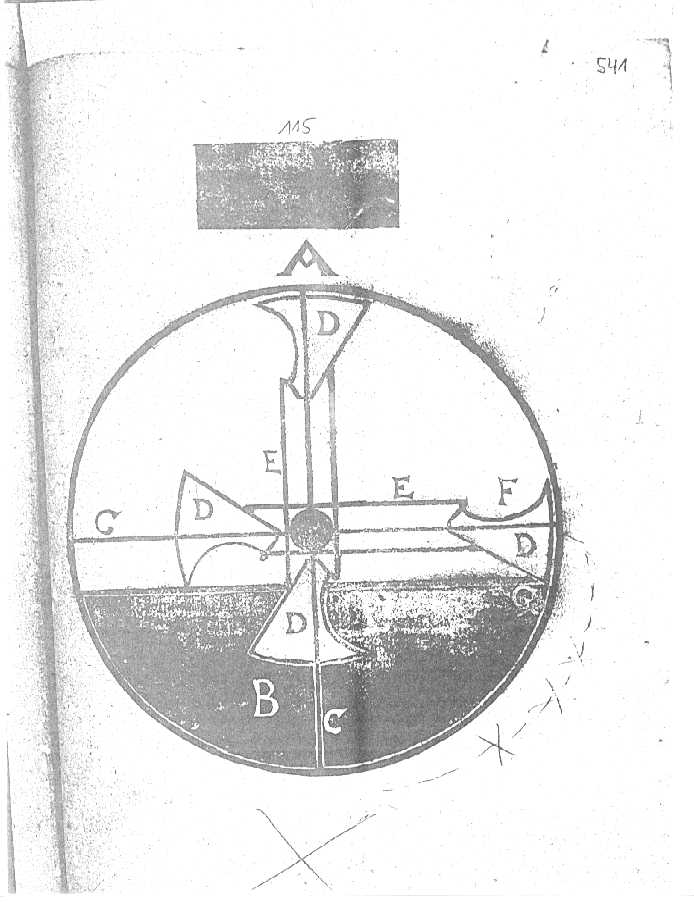
mt_115.jpg
 

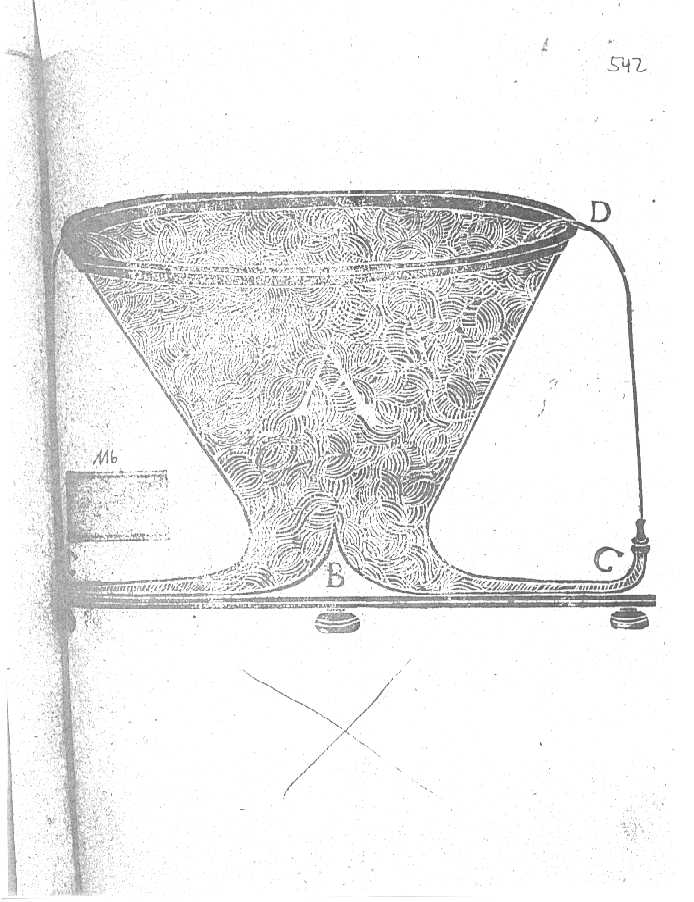
mt_116.jpg
 

mt_117.jpg
 

mt_118.jpg
 

mt_119.jpg
 

mt_120.jpg
 

mt_121.jpg
 

mt_122.jpg
 

mt_123.jpg
 

mt_124.jpg
 

mt_125_126.jpg
 

mt_127_128.jpg
 

mt_129.jpg
 

mt_130_131.jpg
 

mt_132.jpg
 

mt_133.jpg
 

mt_134.jpg
 

mt_135a.jpg
 

mt_135b.jpg
 

mt_136a.jpg
 

mt_136b.jpg
 

mt_137.jpg
 

mt_138_139_140_141.jpg
 

Excerpt from pages 16-23, Das Triumphans Perpetuum Mobile Orffyreanum, Johann Bessler, Kassel, 1719

Provided by Al Bacon of Traverse City, MI.
Translation by Ted of Chicago.
Not for distribution.

Except for a small change in the external dimensions of the wheel for raising weights (or so-called "running wheel"), I have organized everything together in accordance with those structures of the previous machine which I had broken to pieces. These small changes occurred by chance and do not need to be defended.

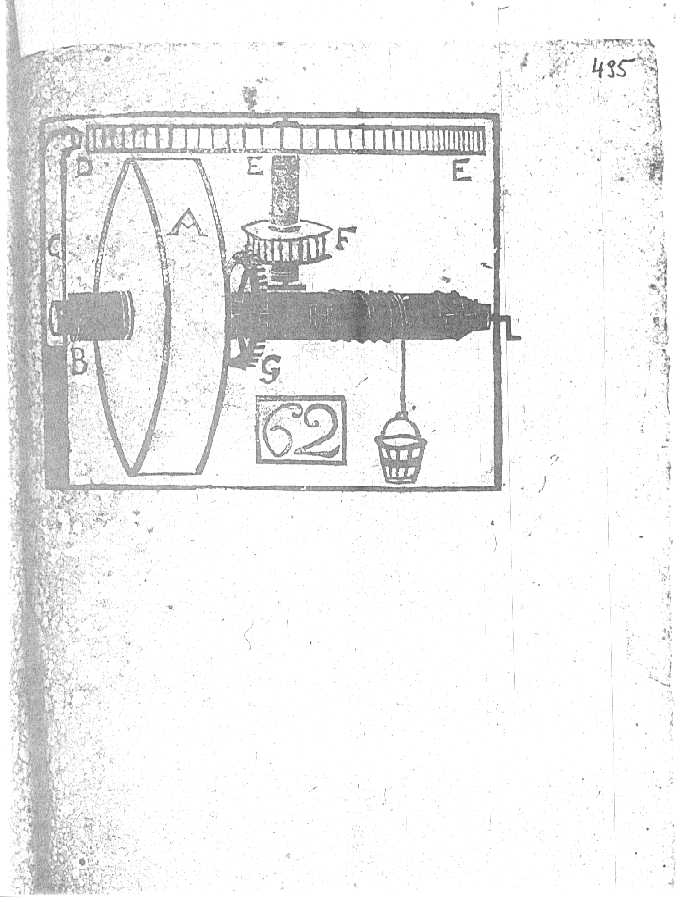
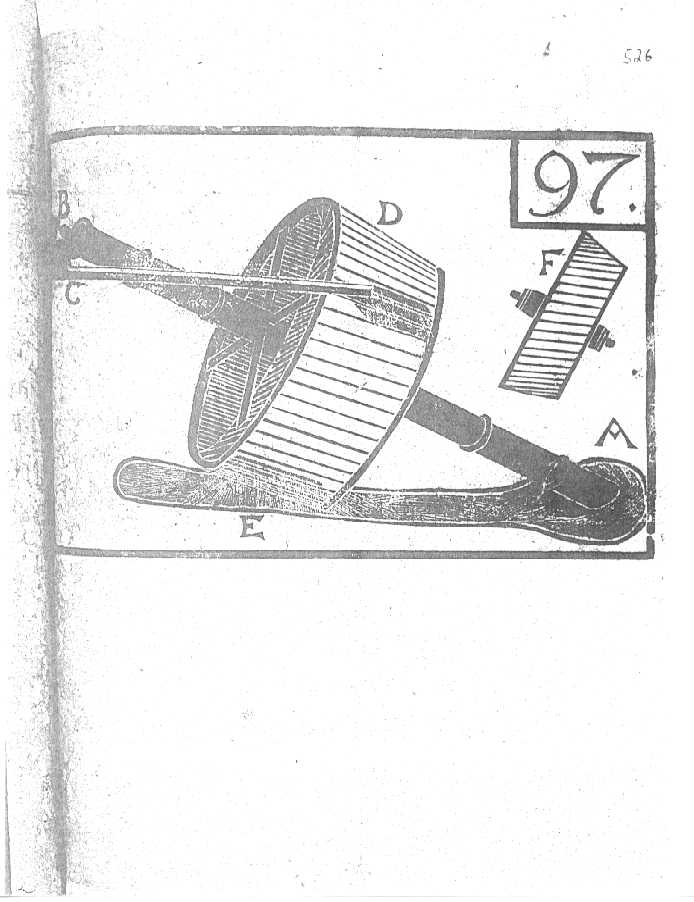
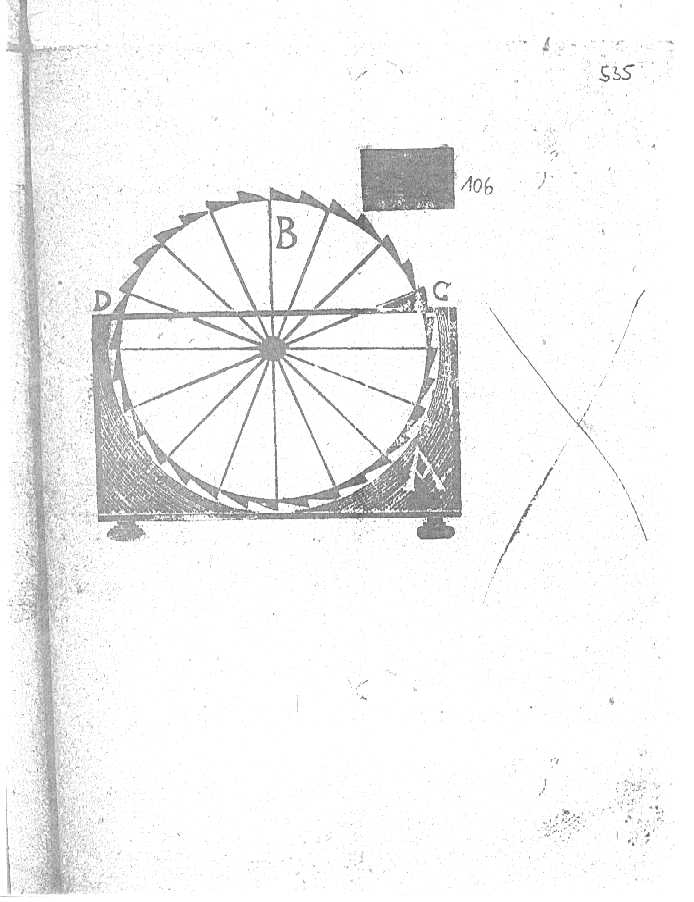
Around the firmly placed horizontal axis is a rotating disc (or lower cylinder) which resembles a grindstone. This disc can be called the principle piece of my machine. Accordingly, this wheel consists of an external wheel (or drum) for raising weights which is covered with stretched linen. The base of the cylinder is 12 Rhenish feet in diameter. The height (or thickness) is between 15 and 18 inches. The axle (or shaft) passing through the center is 6 feet long and 8 inches thick cross-sectionally.

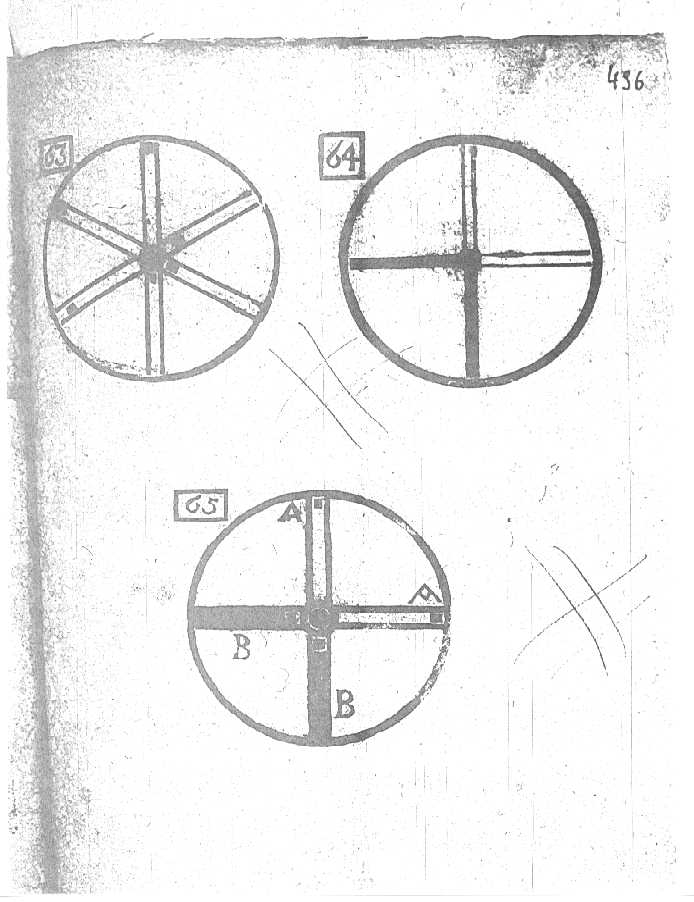
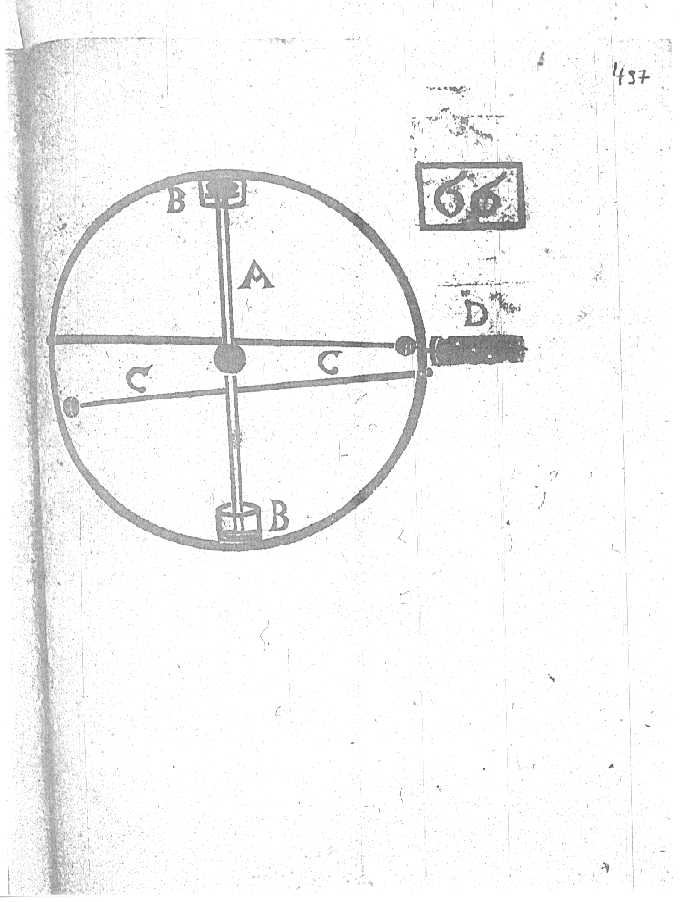
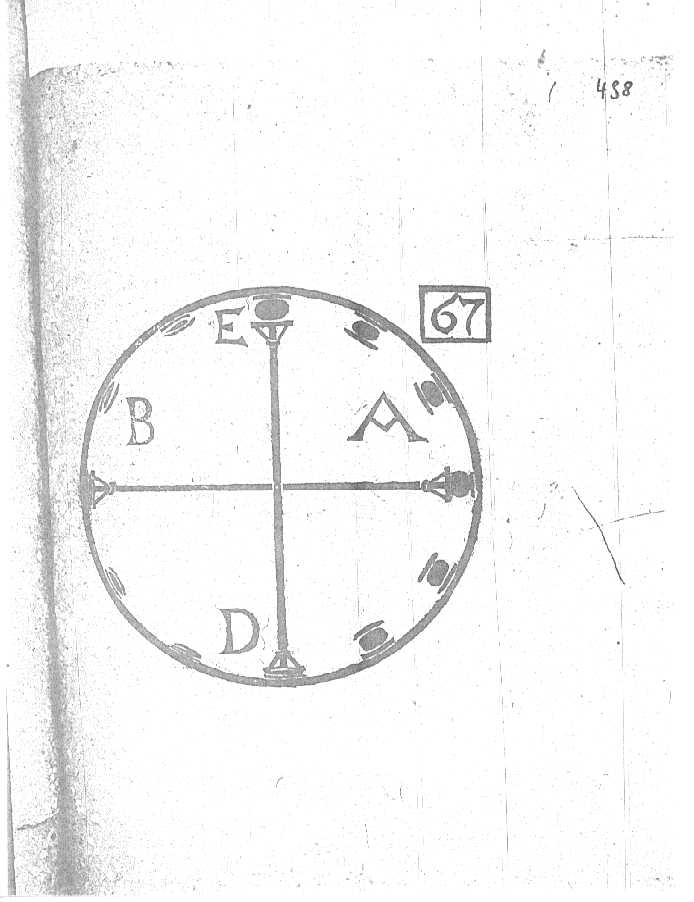
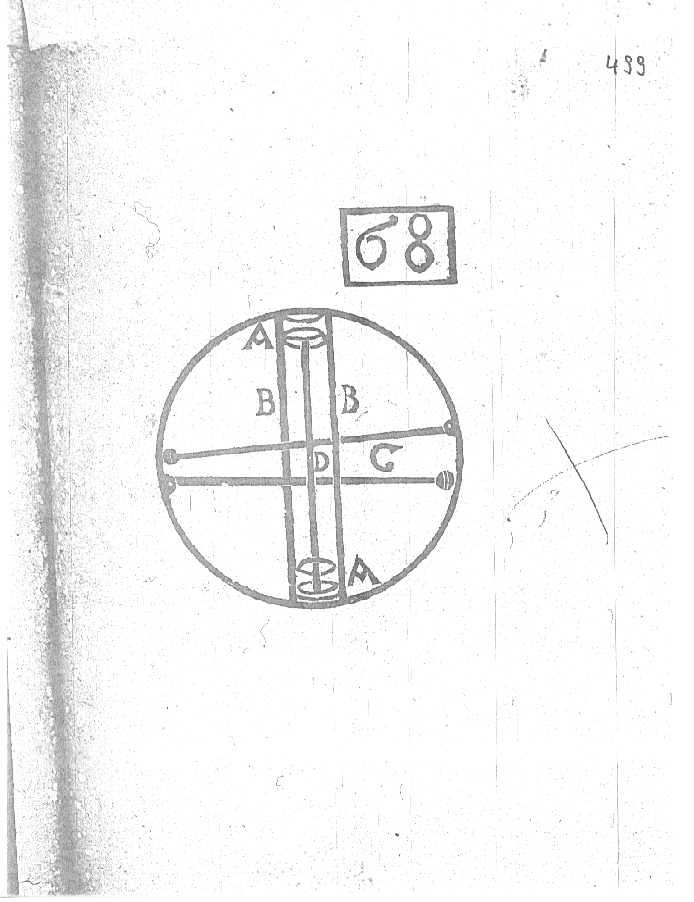
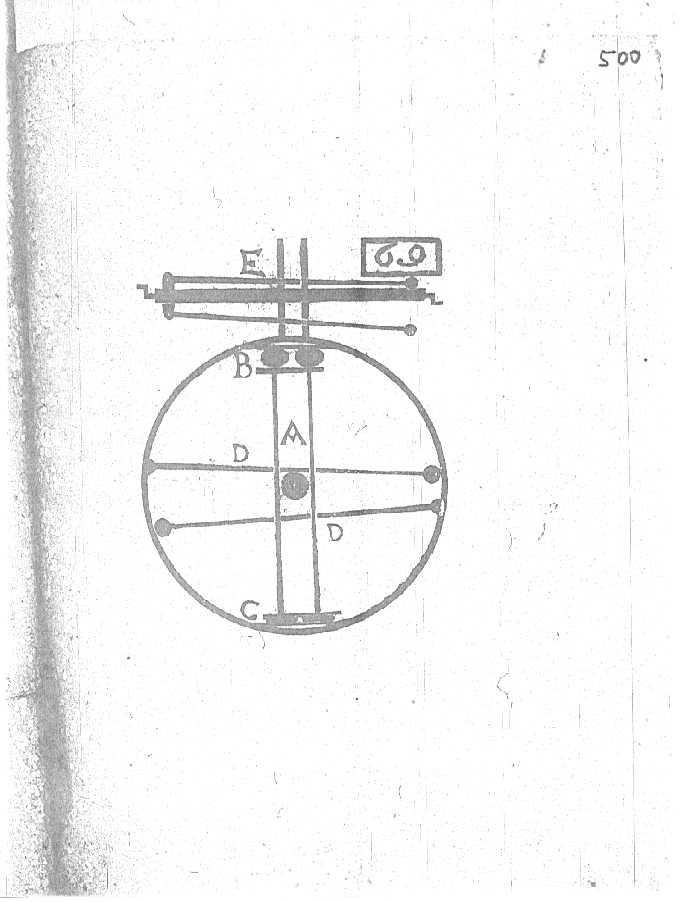
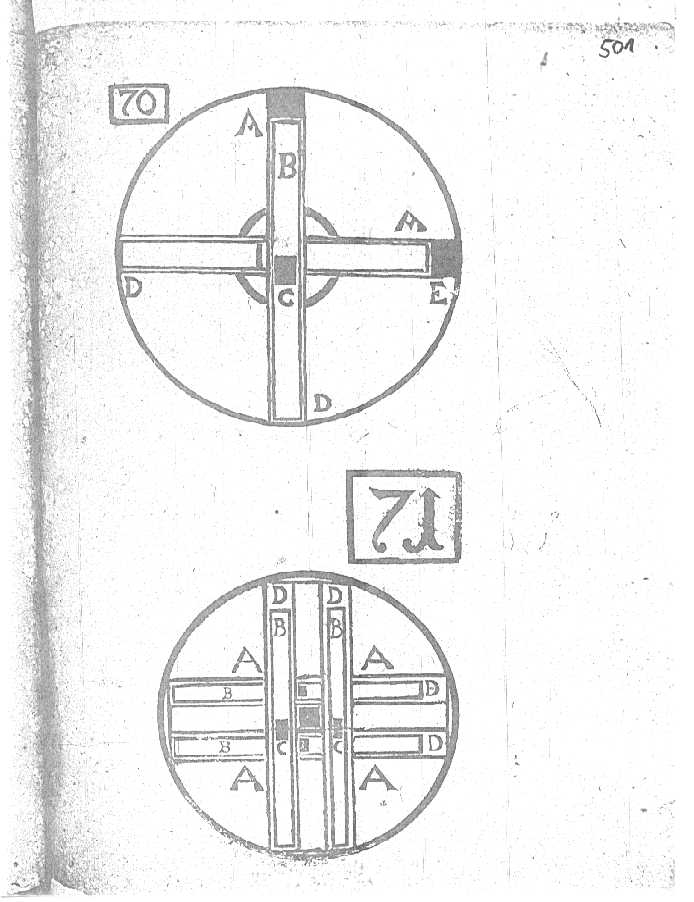
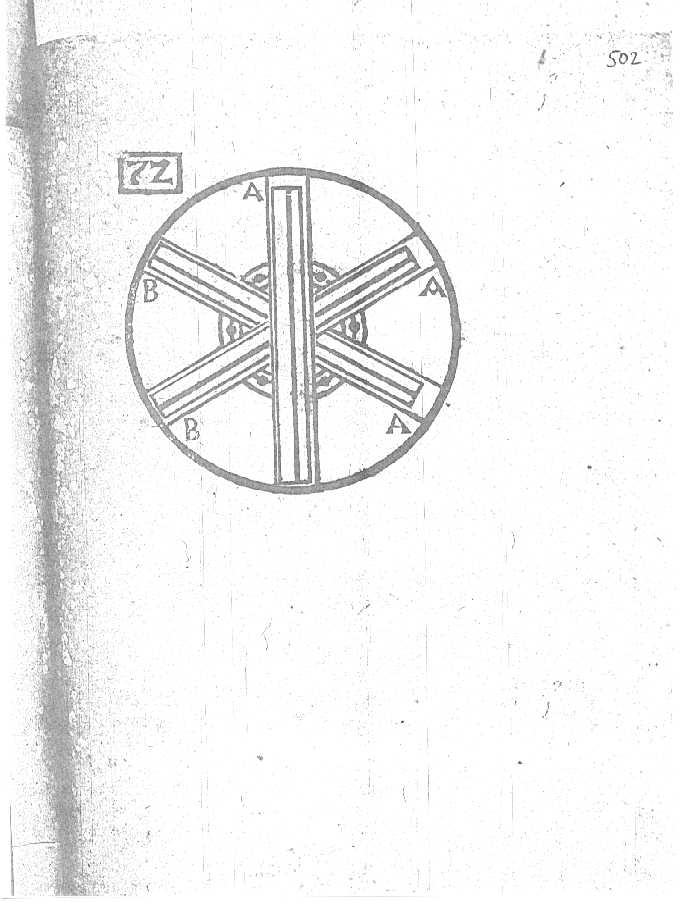
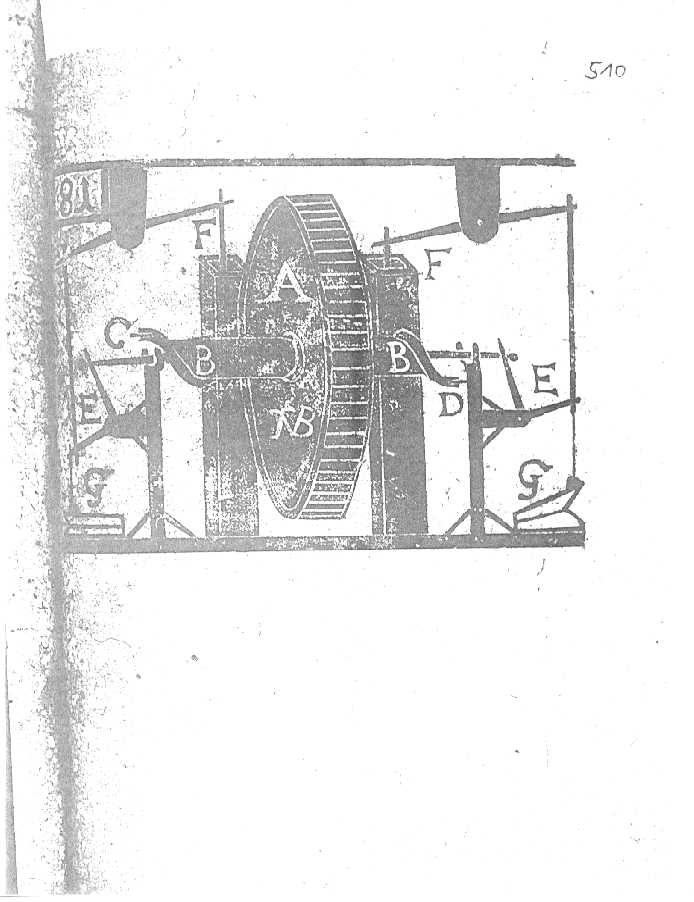
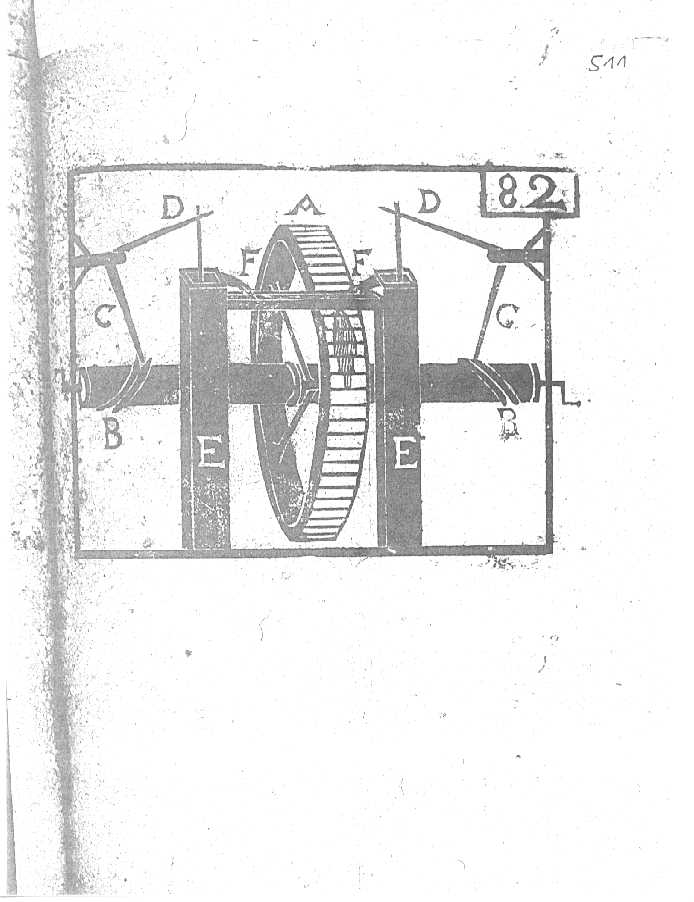
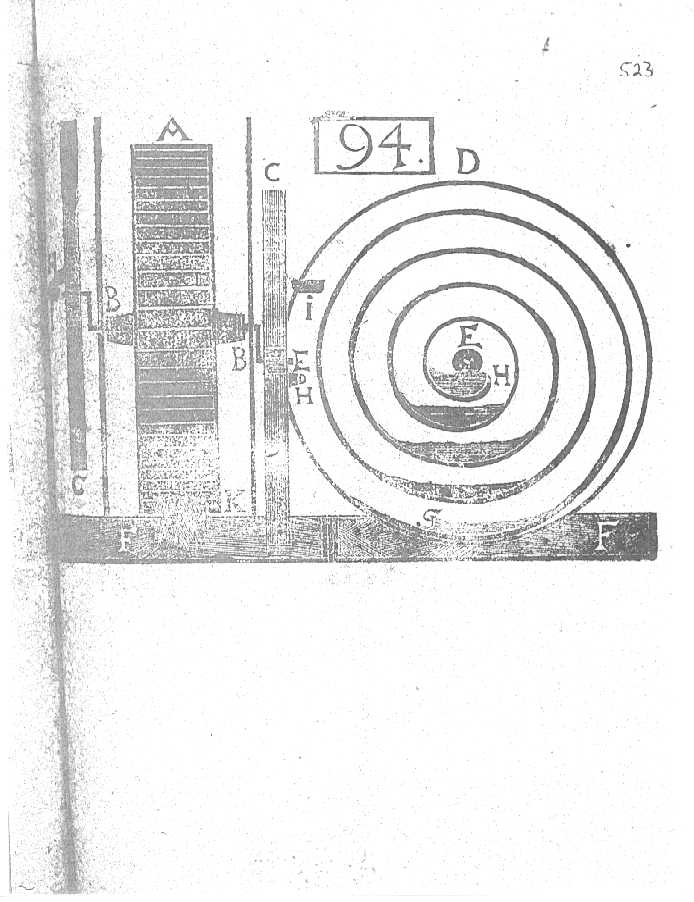
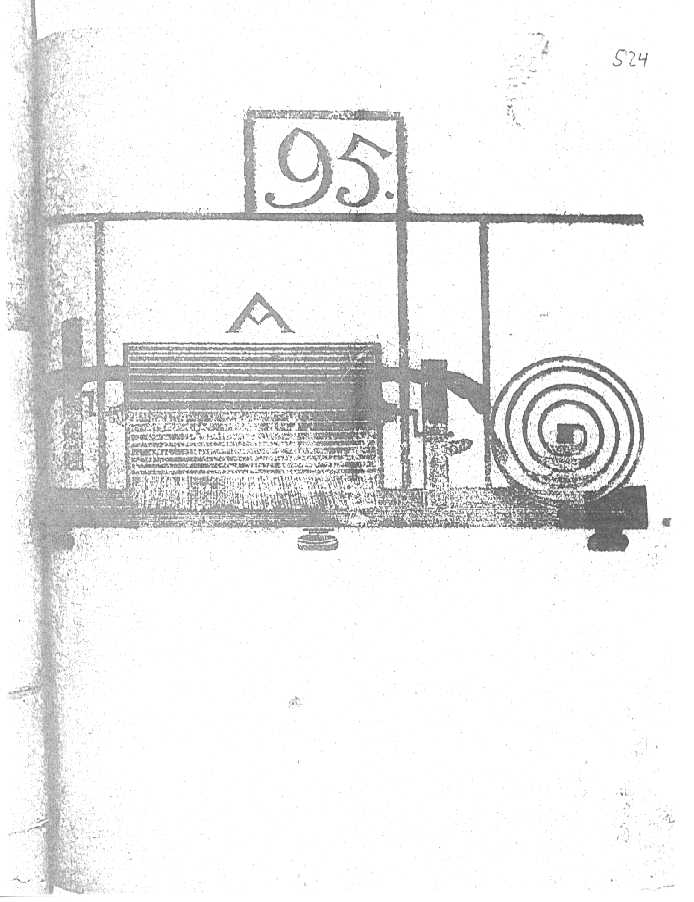
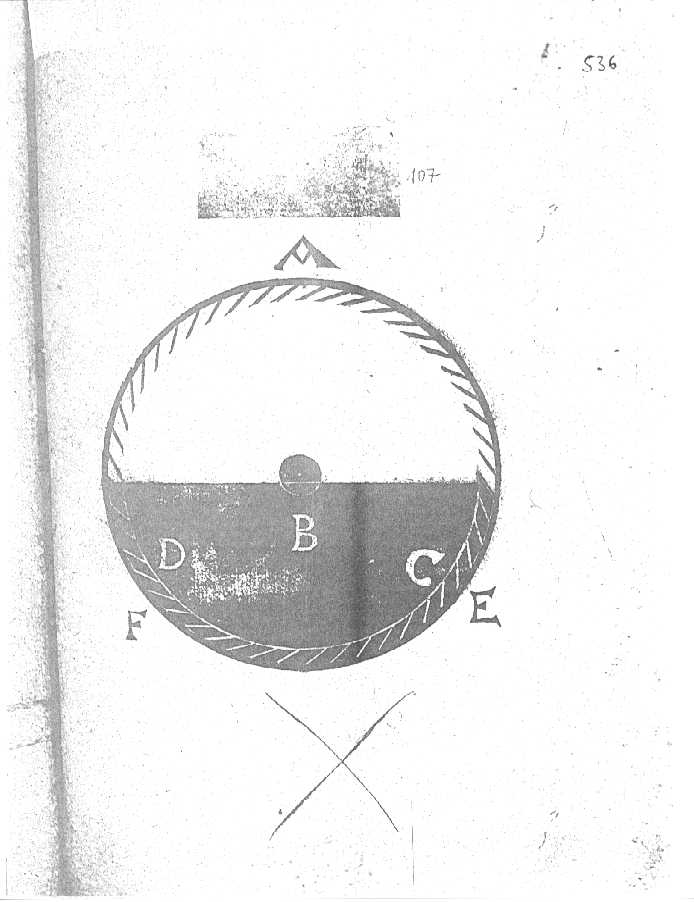
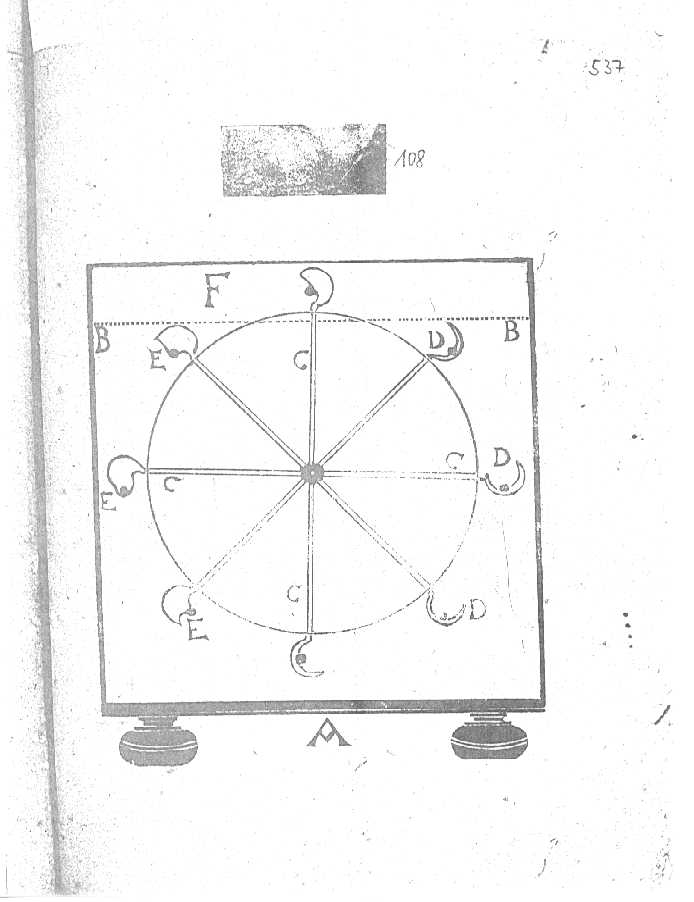
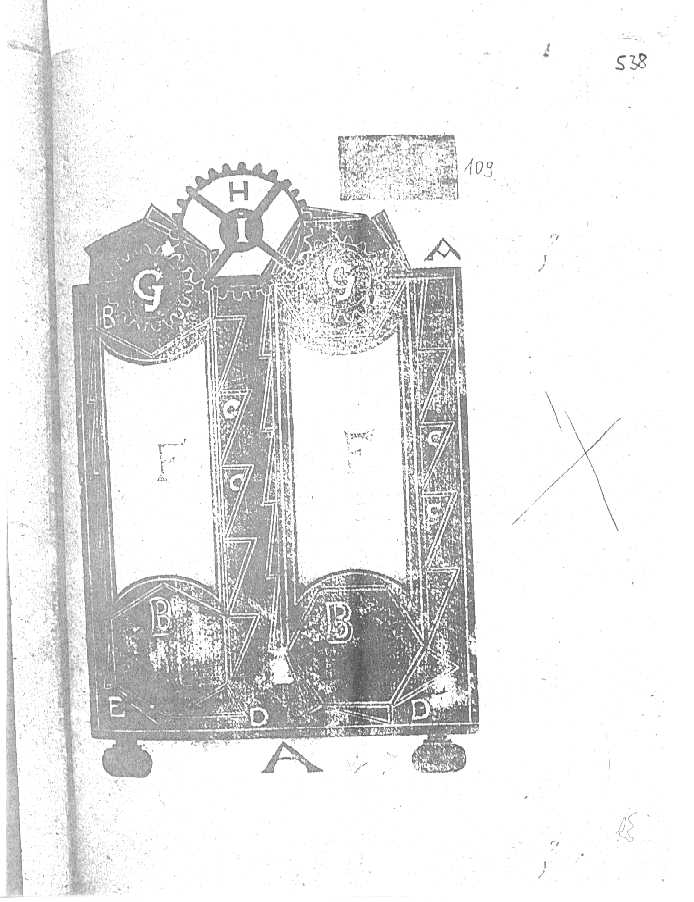
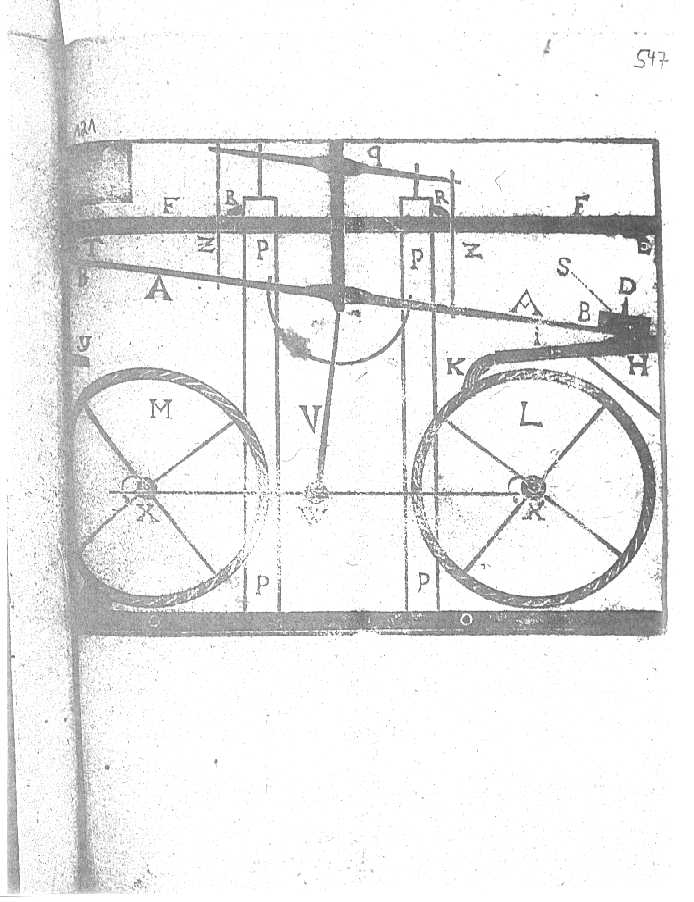
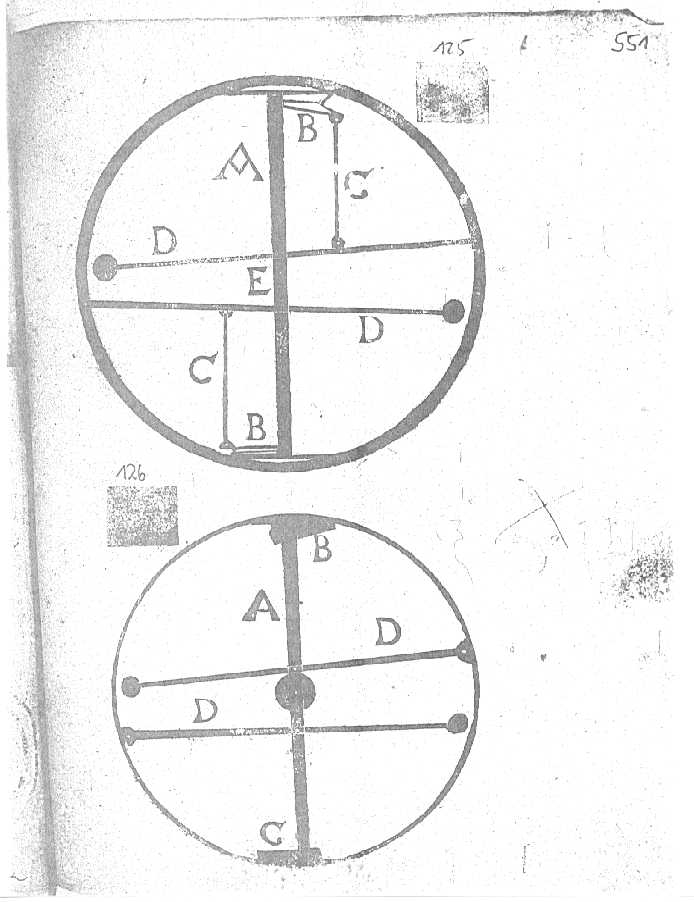
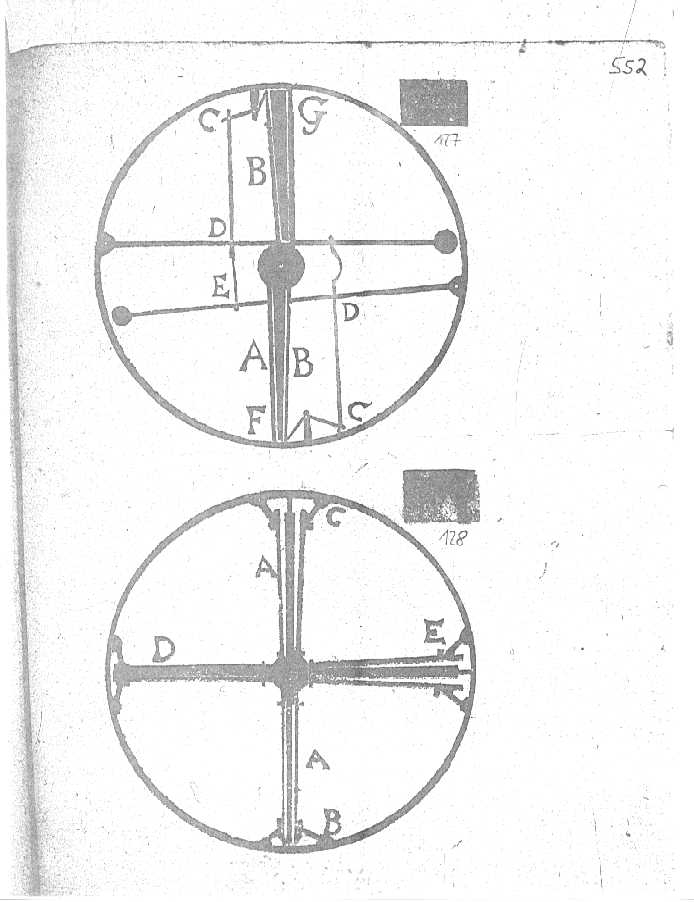
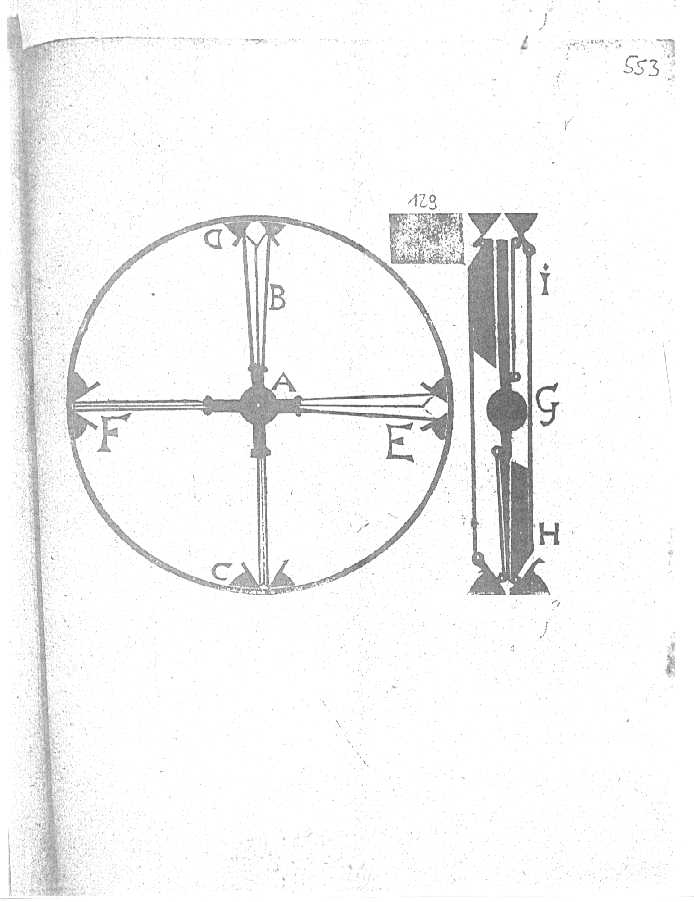
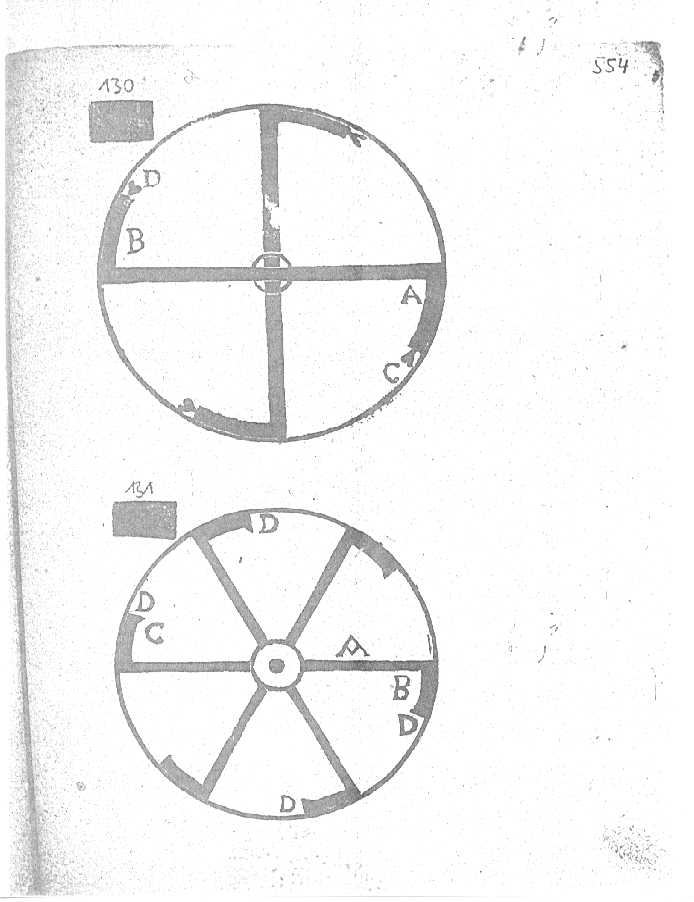
While in motion it is supported by two almost one-inch-thick tapered steel pegs, whose two bearings (or sockets) with two curves around the axle provide the rotational motion of the whole vertically suspended wheel through application of pendula, which can be somewhat modified, as the attached figures at the end of this treatise clearly show.

The internal structure of this drum (or wheel) consists of weights arranged according to several a priori, that is, scientifically demonstrable, laws of mechanical perpetual motion. After the wheel completes a single rotation, or after a single force is applied to the wheel, the motion drives the wheel unceasingly. As long as the wheel’s whole structure does not change, the wheel continues its revolutions without any further assistance from external motive power. Other automatic machines, such as clockwork, springs, and hoisting weights, necessarily require an external restoring force.

The upper weight is not attached to an external mechanism, nor does it rely on external moving bodies by means of whose weight revolutions continue as long as the cords or chains on which they hang permit. As long as it remains outside the center of gravity, this upper weight incessantly exercises universal motion from which the essential constituent parts of the machine receive power and push. These parts are enclosed in a case and are coordinated with one another so that they not only never again reach an equilibrium (or point of rest) for themselves but incessantly seek with their admirably fast swing to move and drive on the axis of their vortices loads that are vertically applied from the outside and are proportional to the size of the housing.

The mechanical wheel not only bears the name of the long sought perpetual motion machine; it deserves to be named for such motion. It uses one of the best known implements for mechanical power, namely, a true circular wheel which rotates about its central axis.

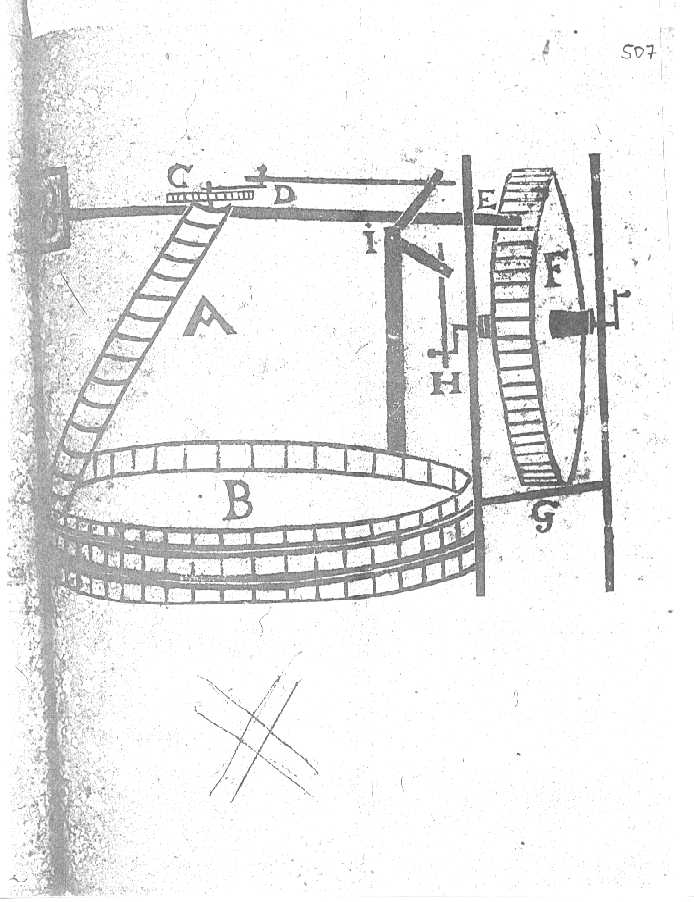
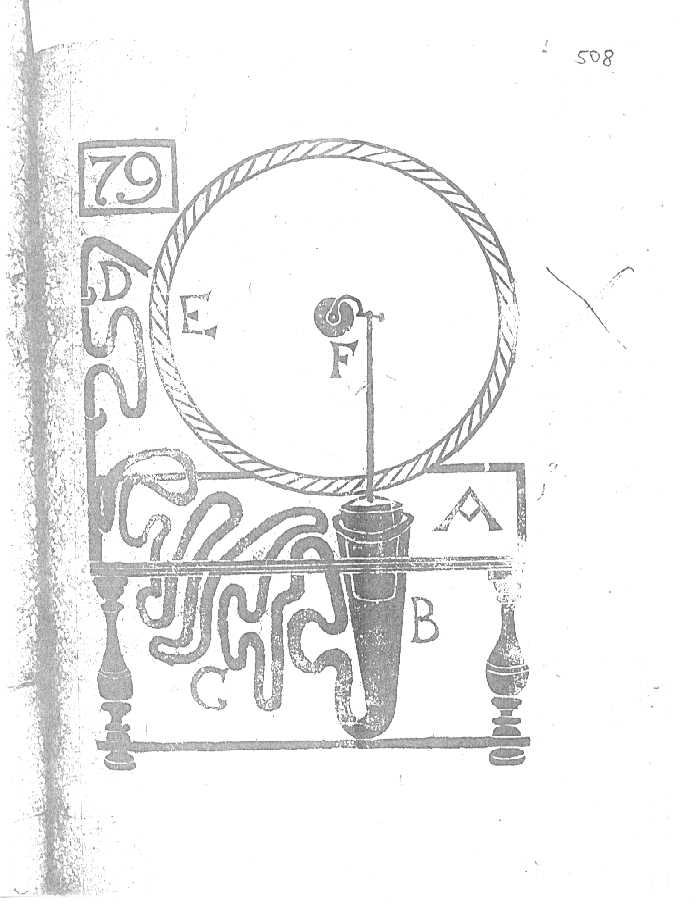
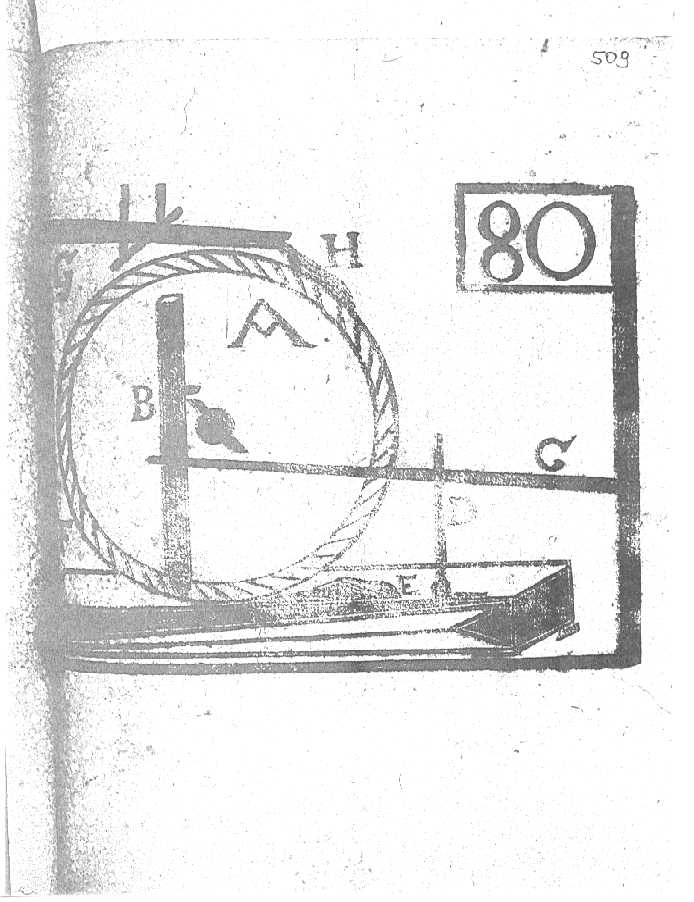
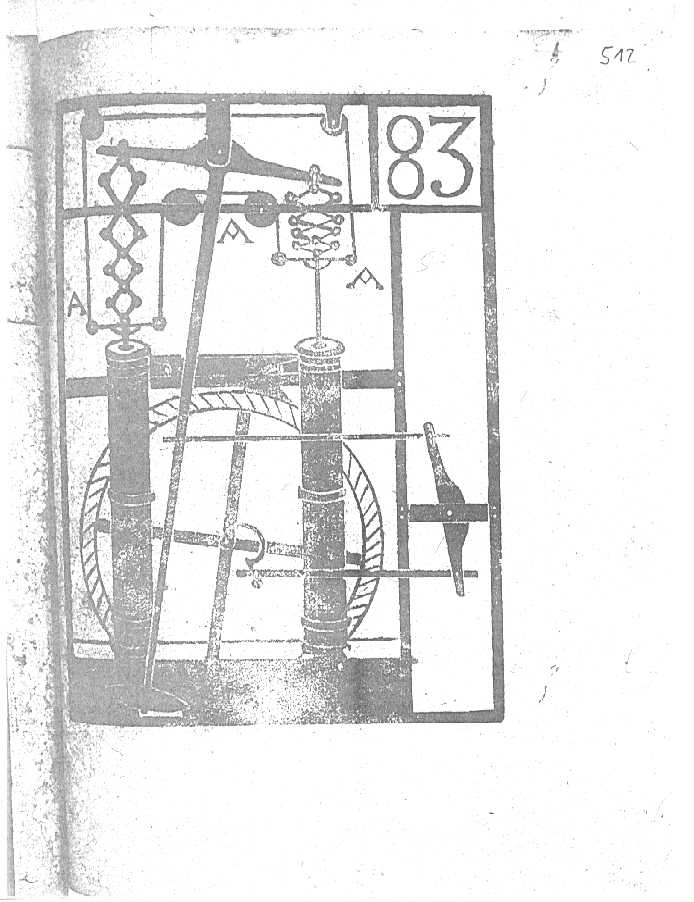
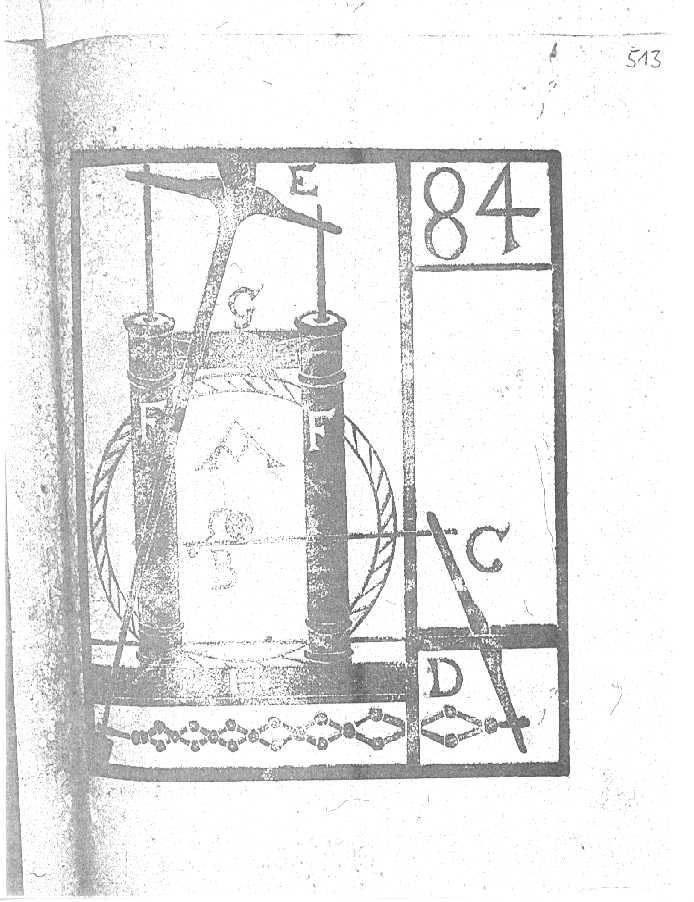
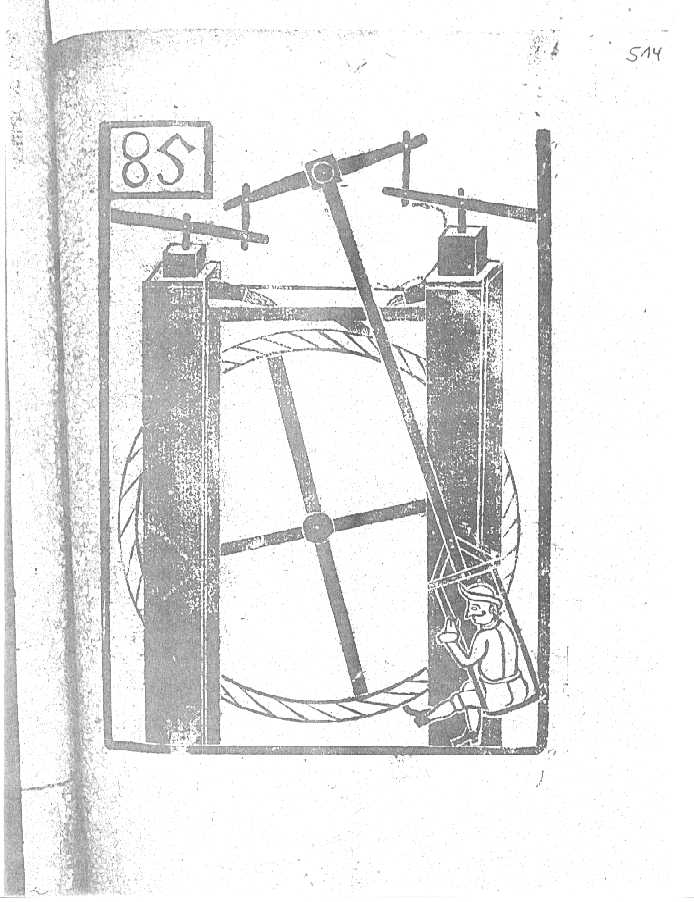
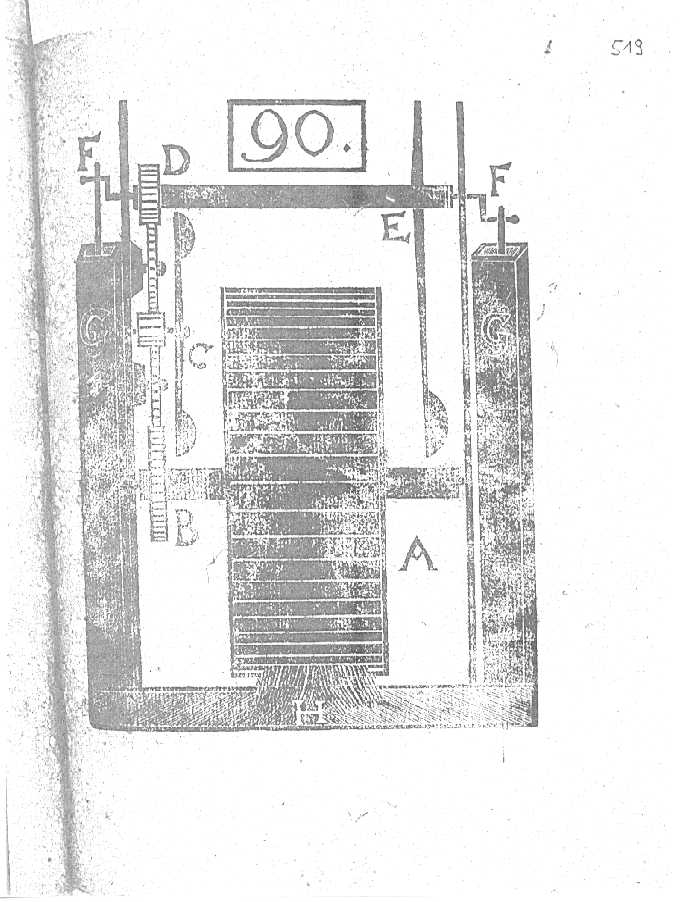
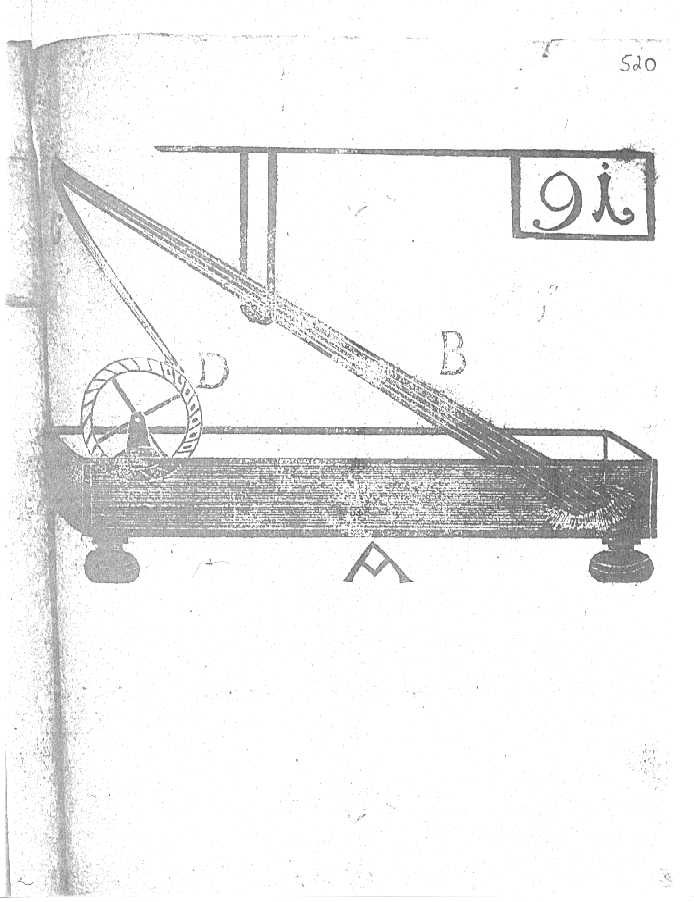
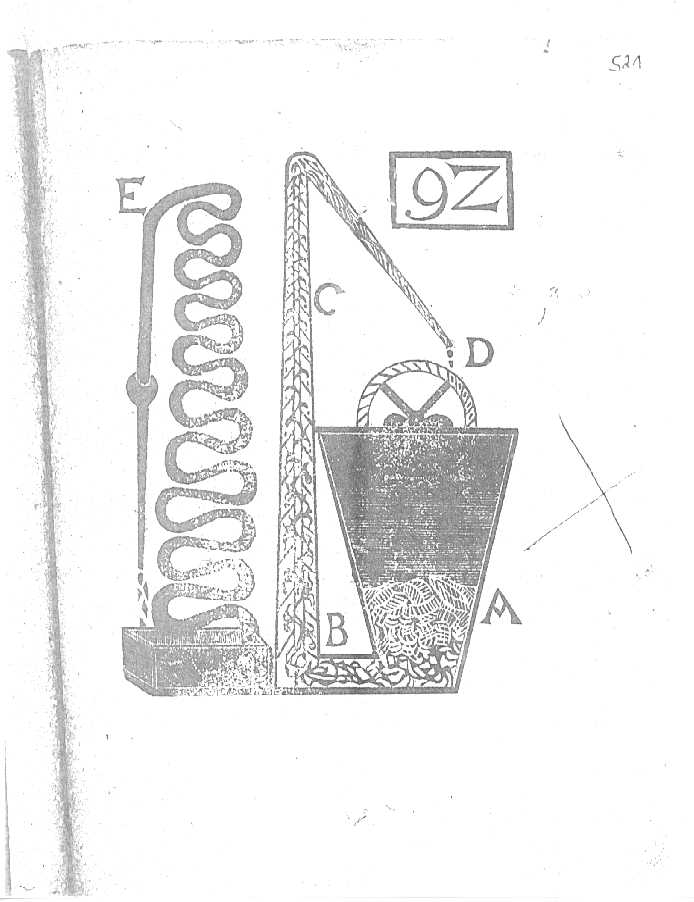
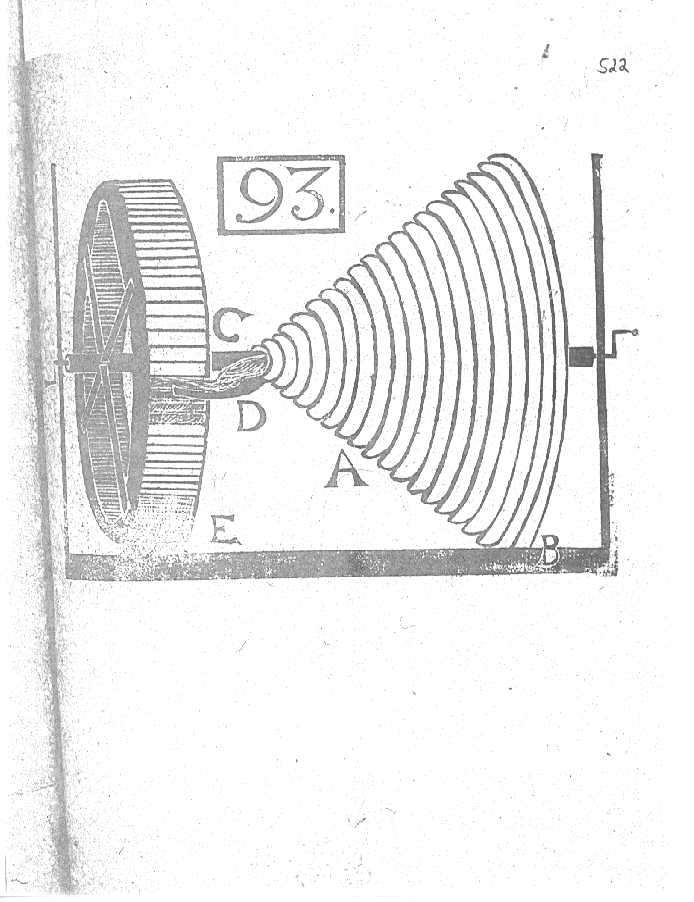
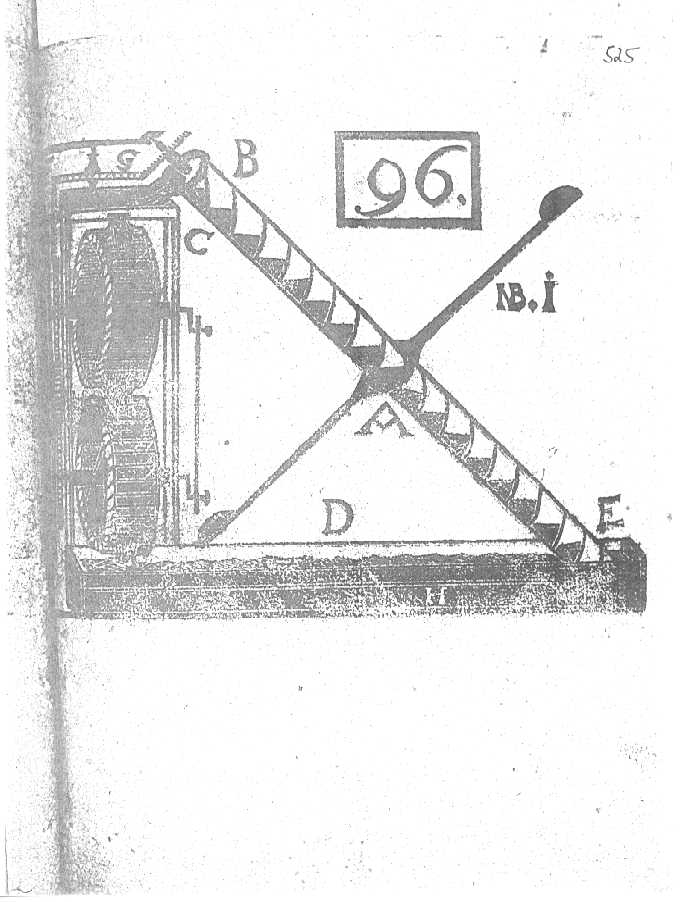
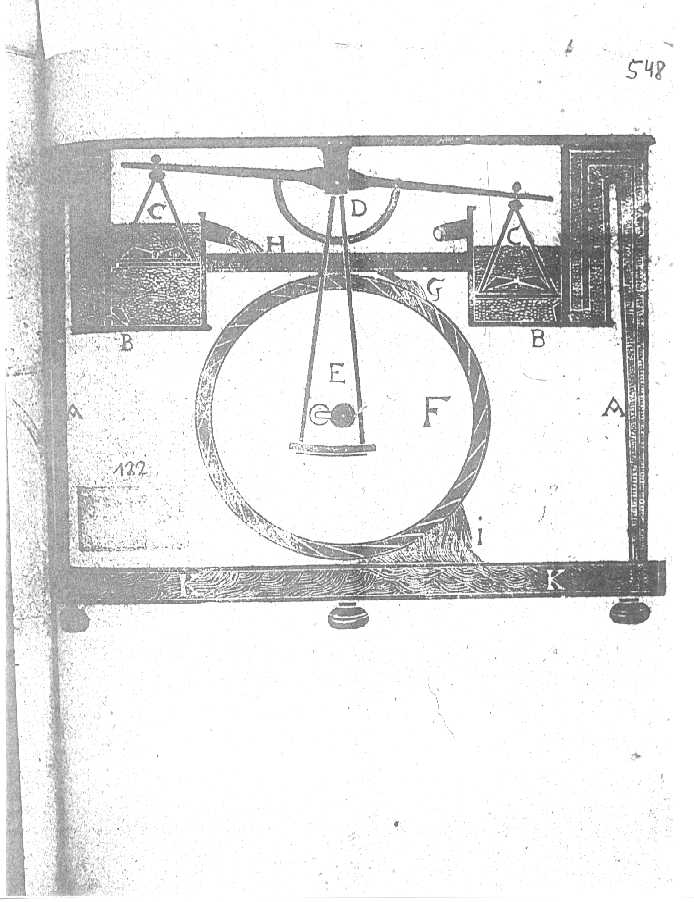
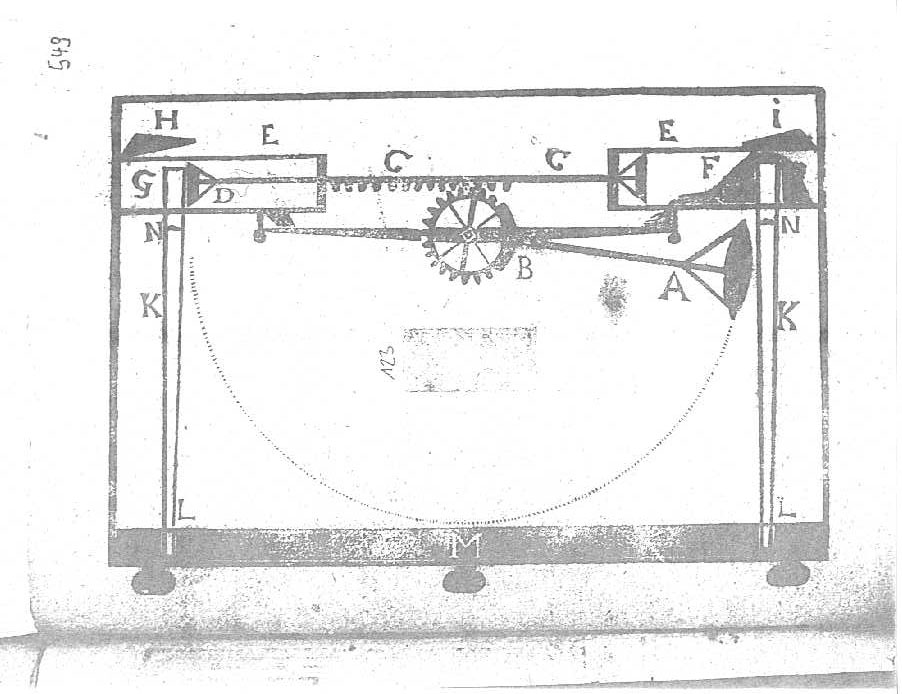
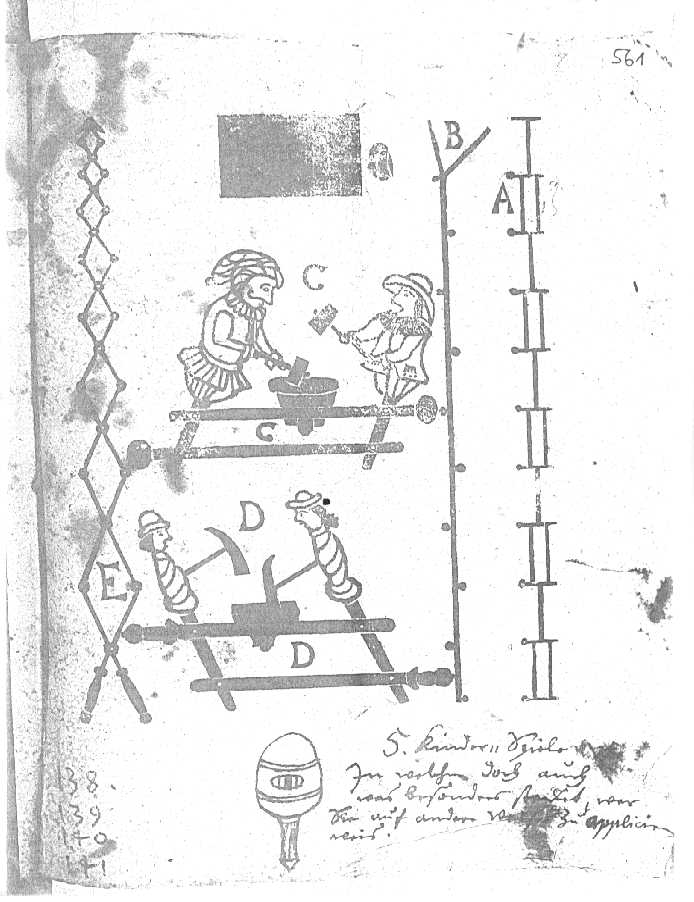
<Bessler then describes the various mechanisms by which the wheel is made to do work: raising a box of bricks, lifting stamps, and turning a screw to raise water.>

Special trials have demonstrated for eyewitnesses that this mechanical wheel is a self-rotating system of several heavy bodies and will be as long as the bodies remain heavy and the universe exists.